
15/10/2026
News
05/11/2026
HANAMI presents roadmap for EU-JAPAN supercomputing cooperation at its closing symposium in Finland
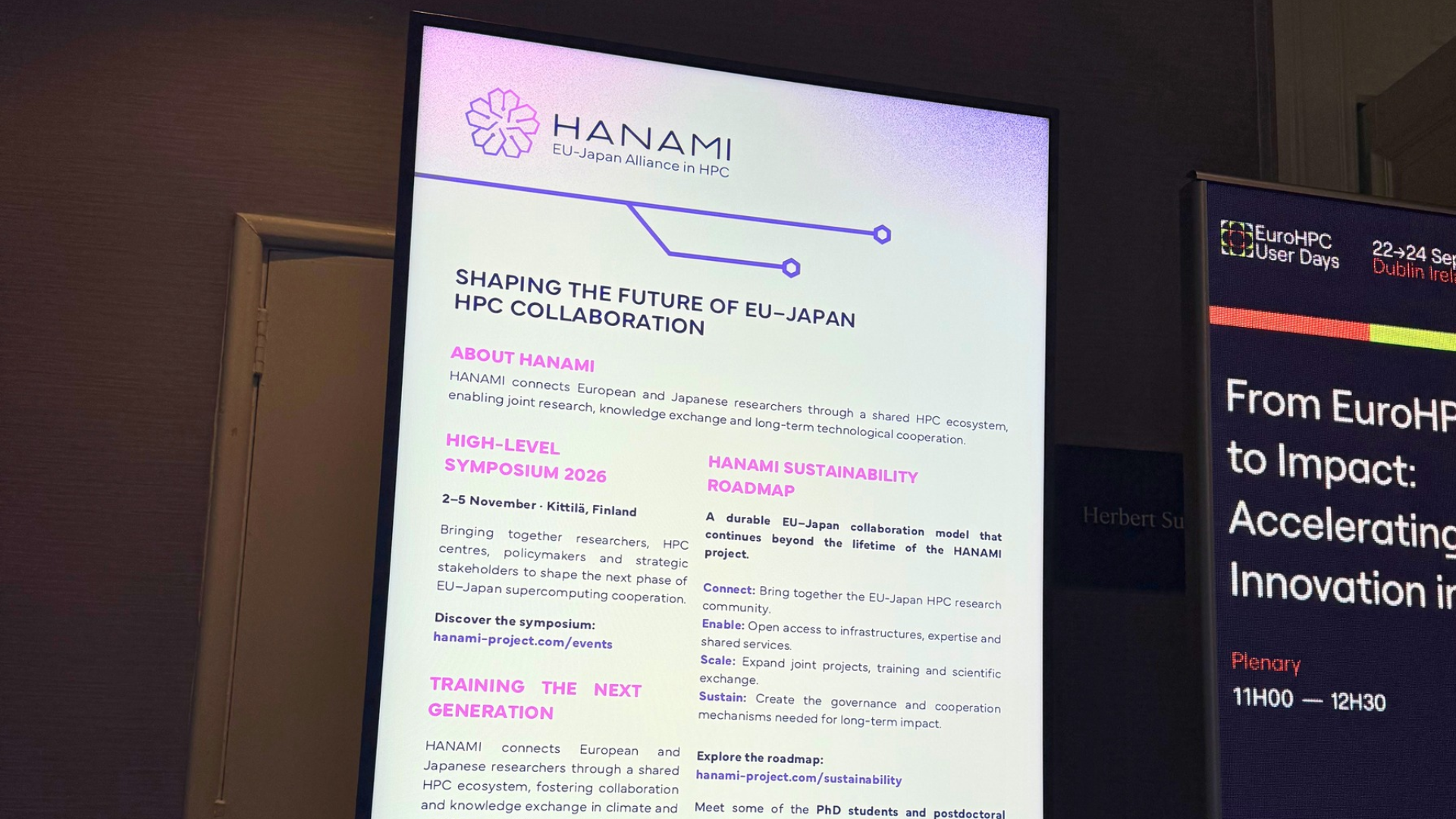
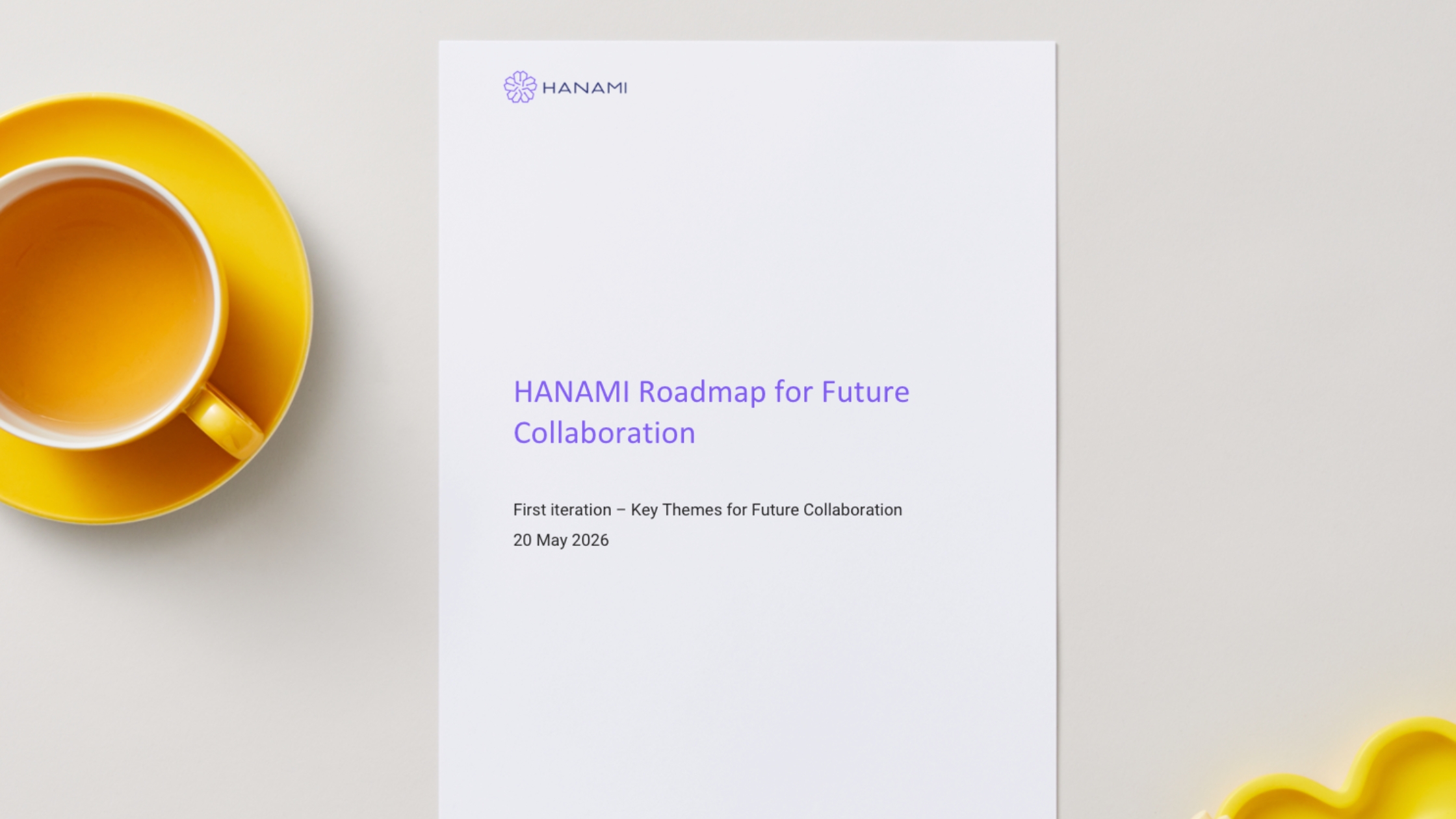
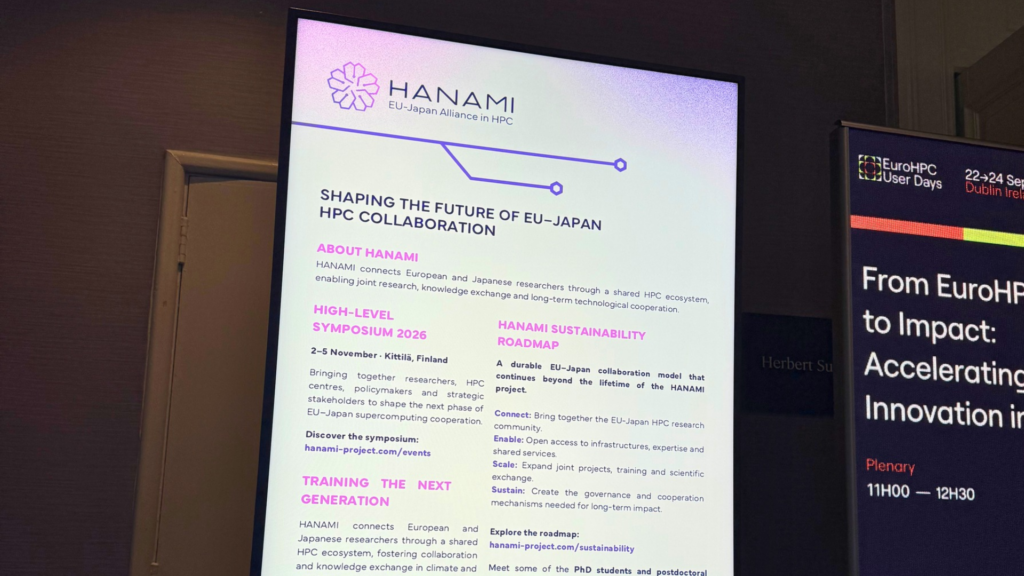
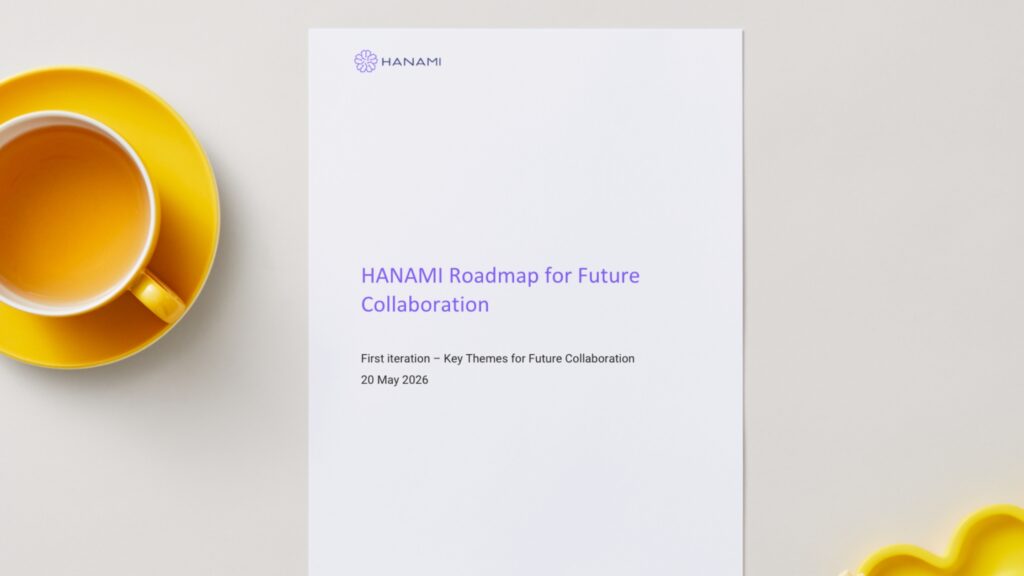
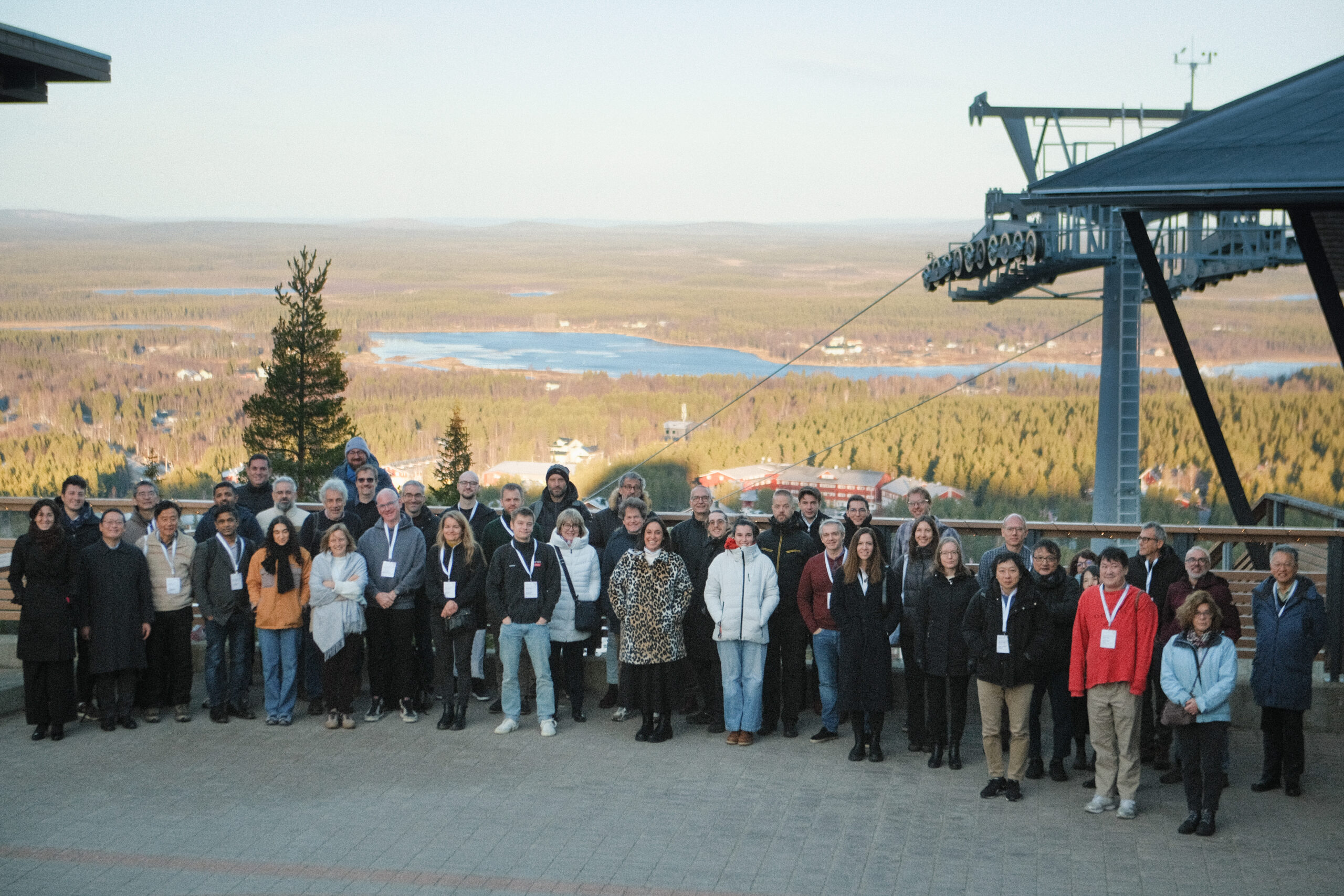
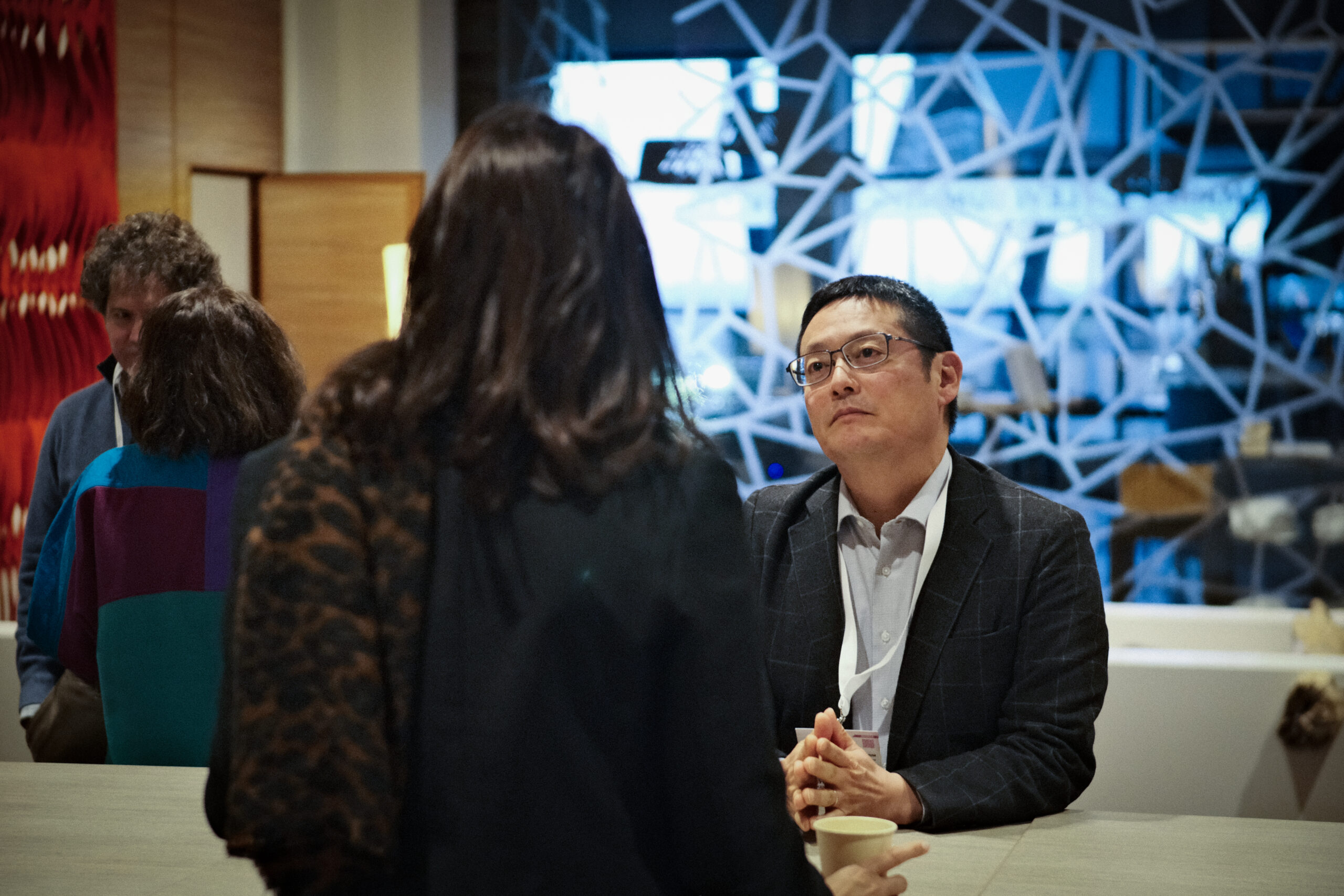
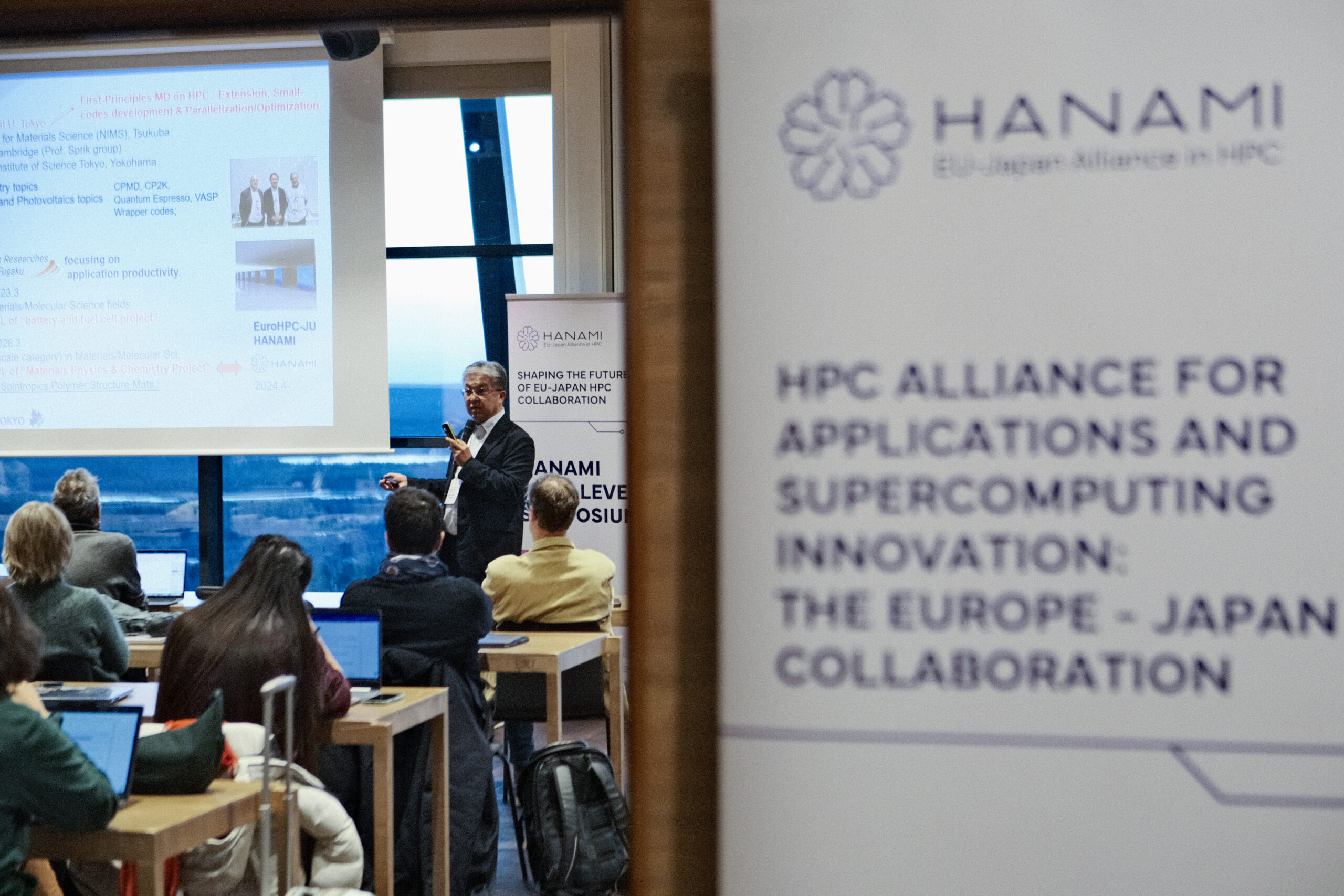
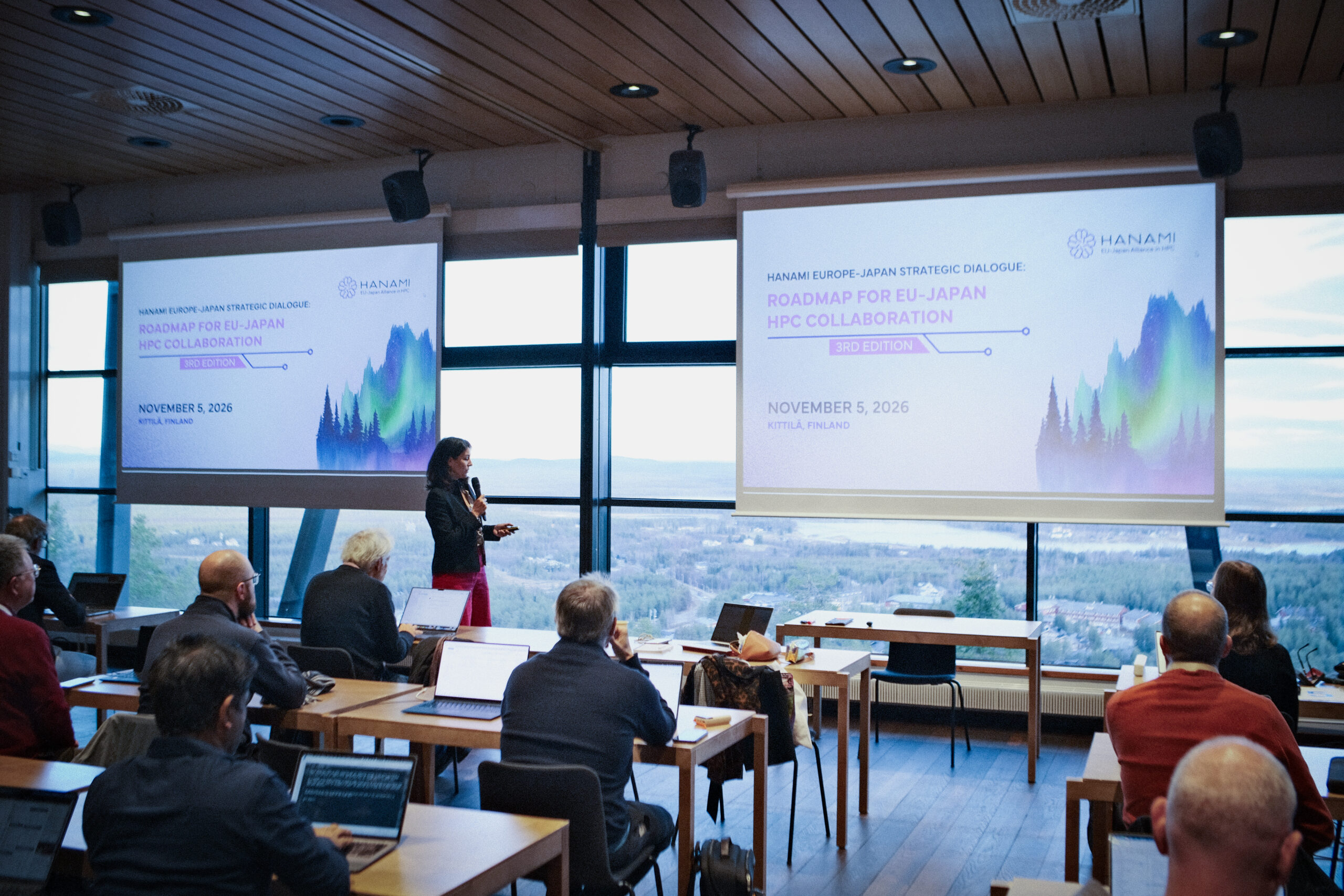
Europe and Japan now have a roadmap for continuing their cooperation in high-performance computing (HPC) beyond the HANAMI project. The document was presented on 5 November at the HANAMI Europe-Japan Strategic Dialogue, part of the project’s last annual event of this phase, held from 2 to 5 November.
The Roadmap, which went through a public consultation earlier this year, sets out the building blocks for long-term strategic cooperation between the two regions. “We hope it will become a cornerstone of the future of HANAMI,” said Pihla Kauranen, from CSC, Finland.
Policymakers back continued partnership
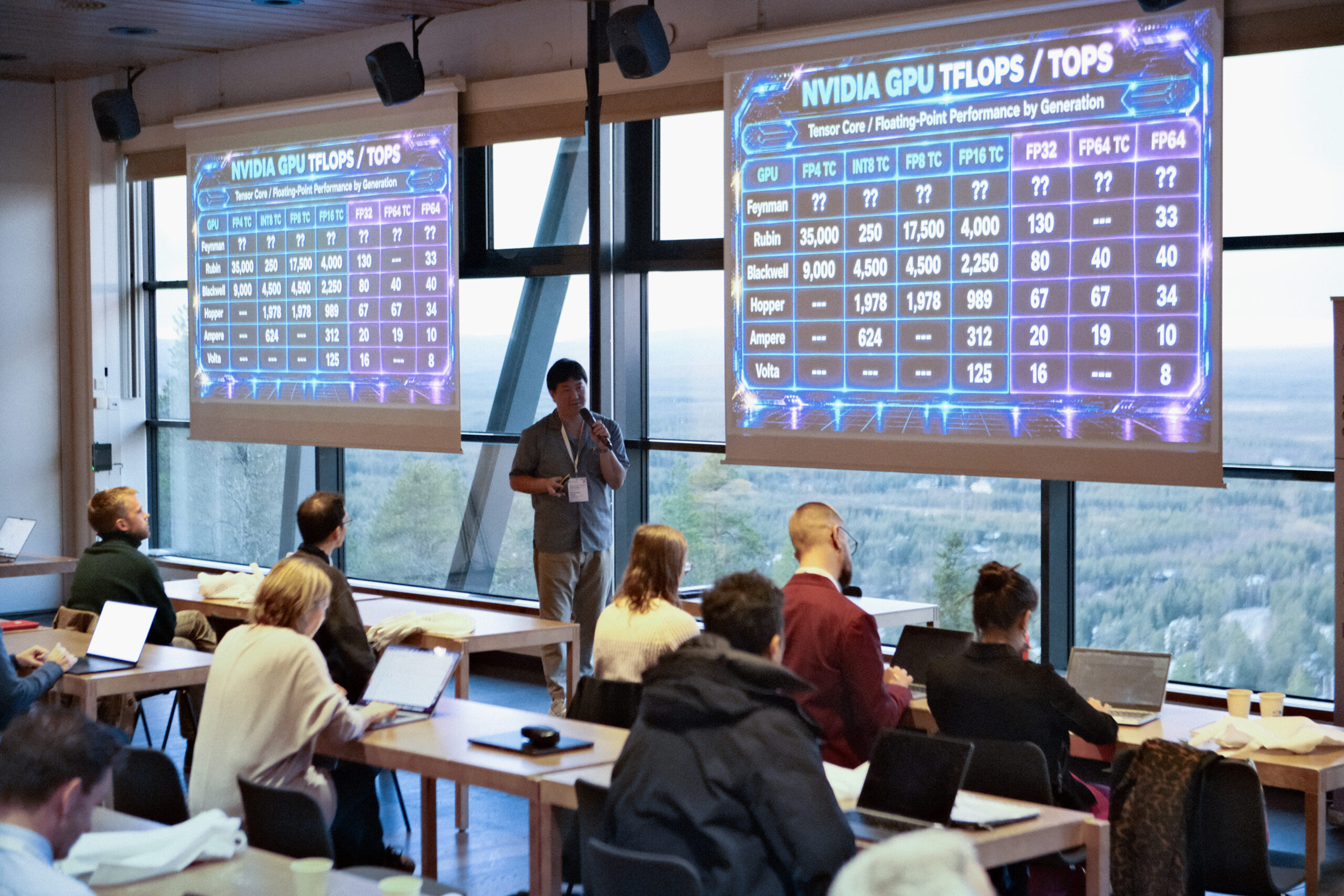
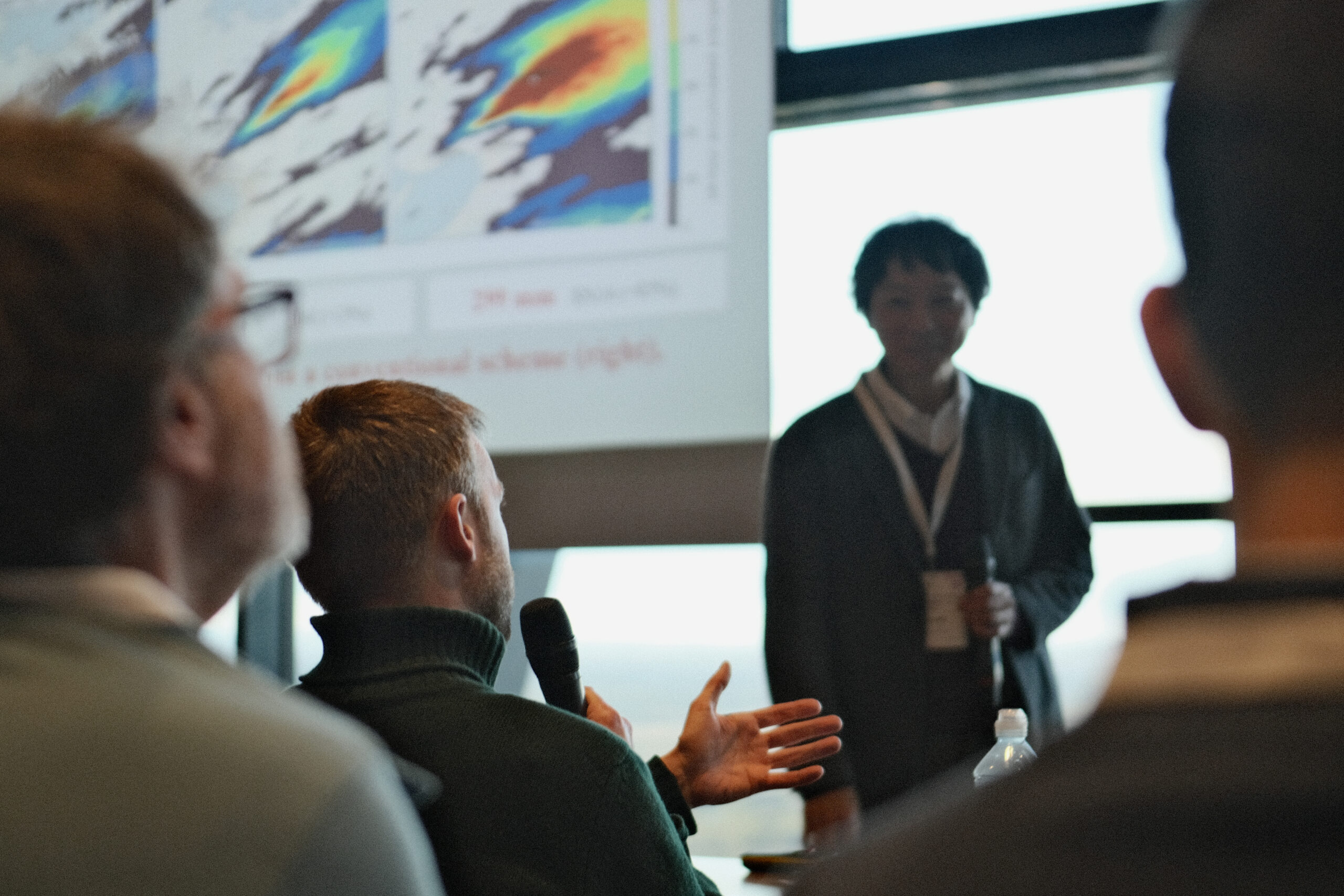
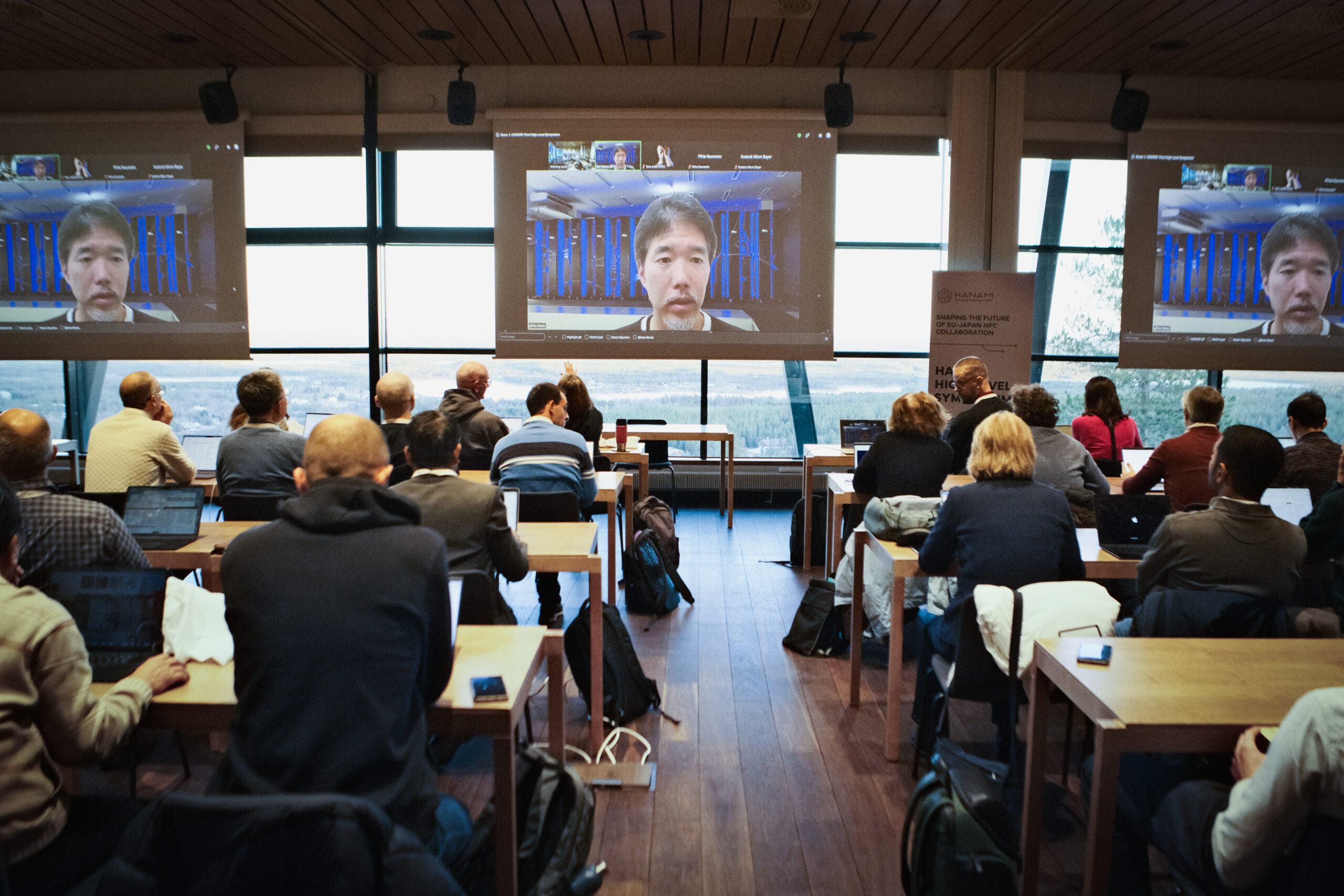
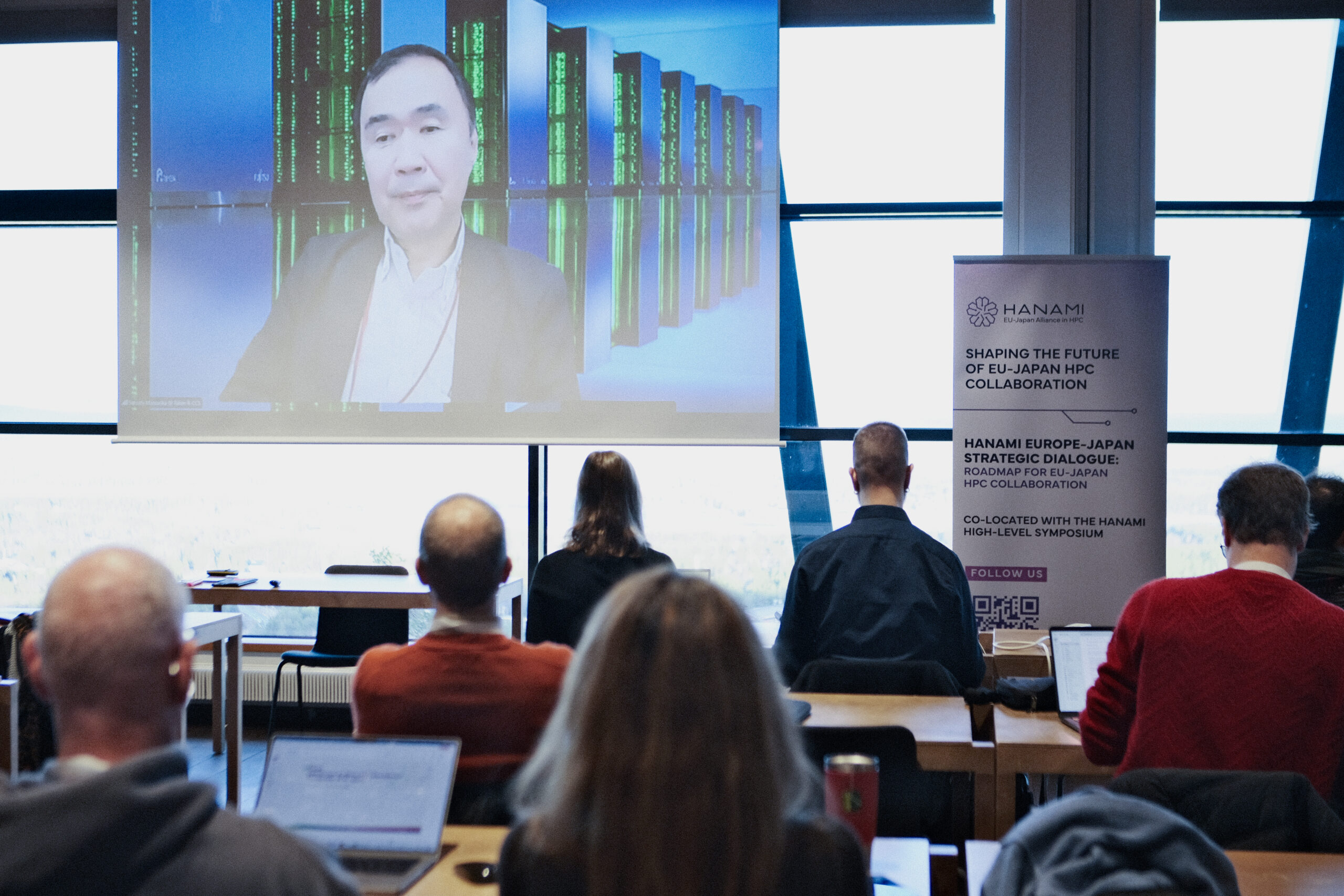
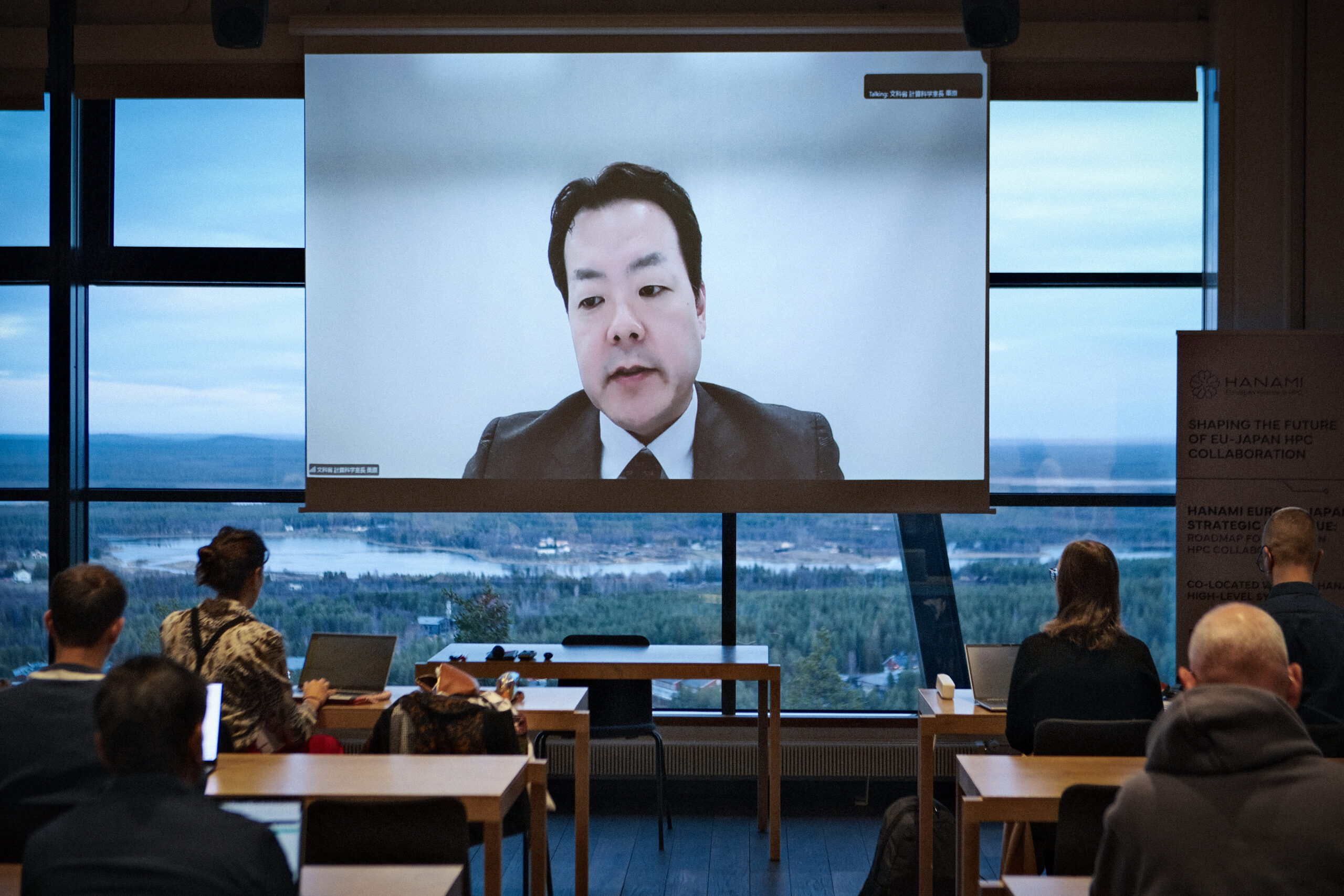
The Dialogue, the project’s third High-Level Stakeholder Event, opened with statements from the Finnish Ministry of Education and Culture and Japan’s Ministry of Education, Culture, Sports, Science and Technology (MEXT). RIKEN R-CCS gave a keynote on AI-for-Science efforts in Japan, followed by the HANAMI community’s views on future trends in HPC and AI and an interactive discussion with participants.
Petteri Kauppinen, Senior Ministerial Adviser at the Finnish ministry, said long-term partnerships allow countries to “combine expertise, share resources, and build stronger research ecosystems”. Kiyoshi Kurihara, of MEXT, said the Roadmap recommends access to HPC infrastructure, in support of a new approach to AI for science.
Looking ahead
HANAMI coordinator France Boillod-Cerneux, from CEA, France, said the consortium has grown from a small initiative into a community of more than 70 researchers since its launch in 2024. “The journey must continue, and I will do my best to make HANAMI sustainable,” she said. She hopes the collaboration can last more than five years and eventually extend to joint design of future systems: “Right now, we design and construct our supercomputer systems separately, but in five years, we can share ideas for designing the systems together.”
Results on both sides
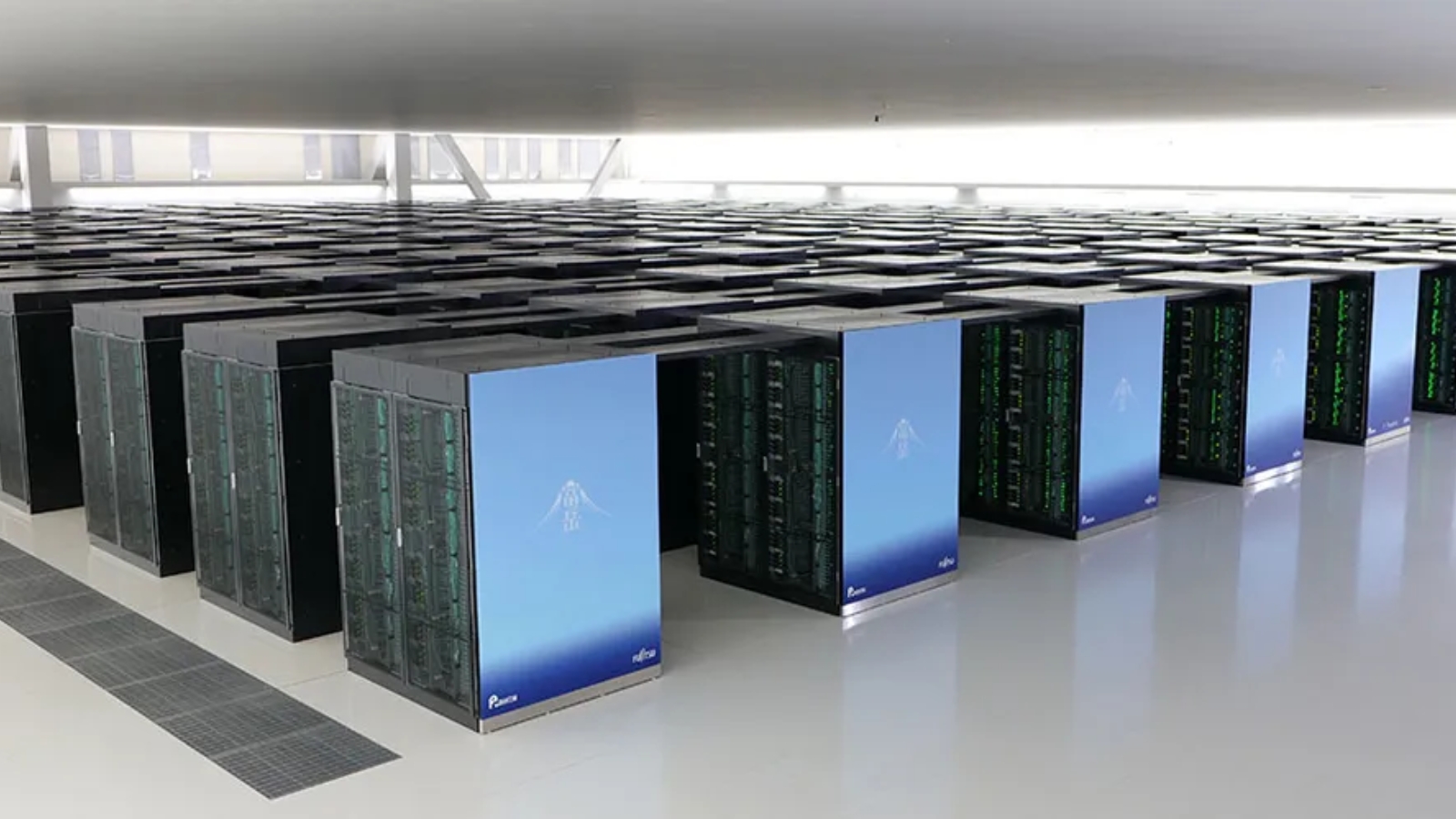
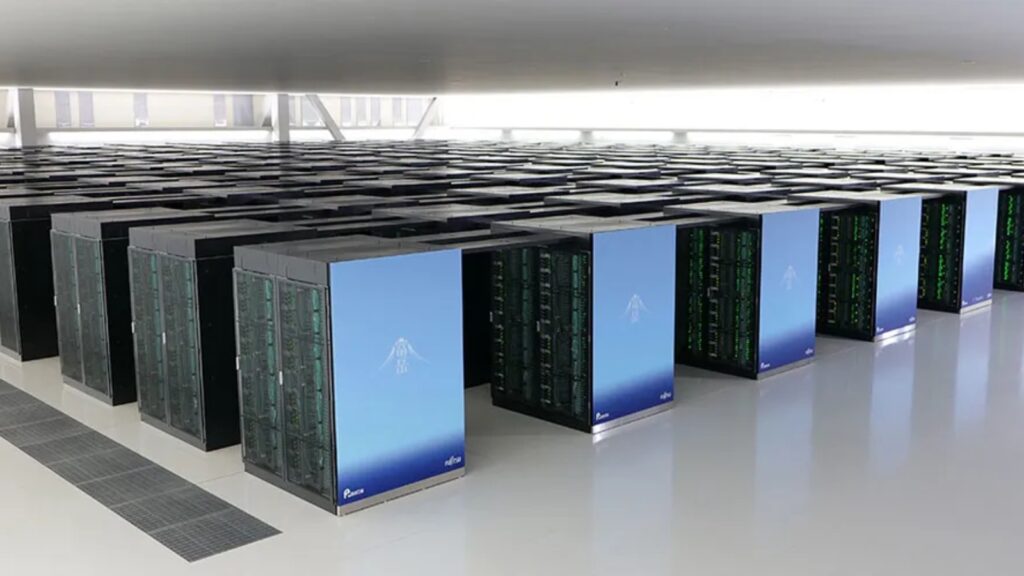
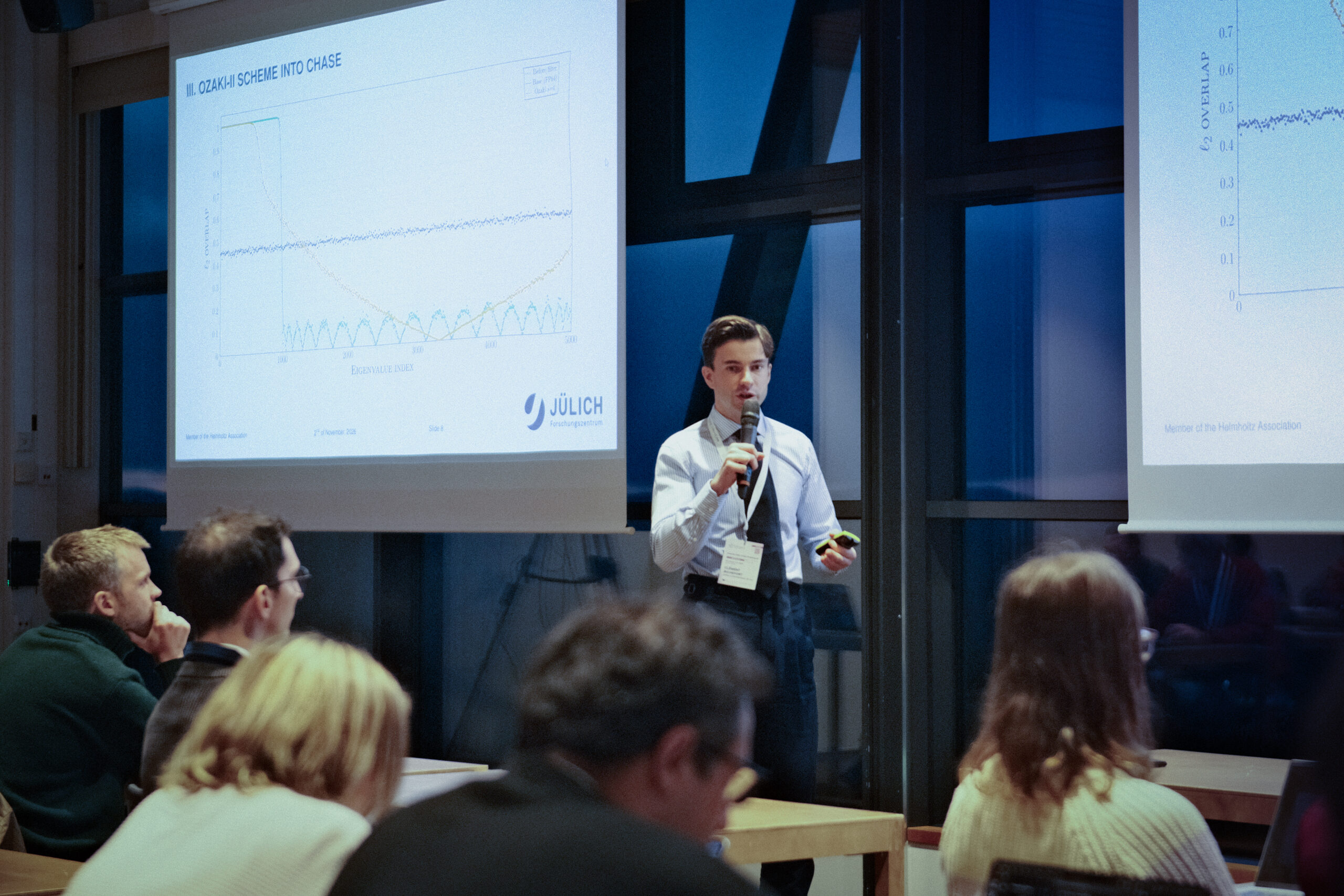
On the scientific front, HANAMI has delivered results in materials, climate and biomedical sciences, often with technology flowing in both directions. In materials science, joint teams optimised the Yambo and SIESTA codes for Japan’s Fugaku supercomputer, and the Yambo improvements are now part of its 5.4 beta release. The ChASE eigensolver library gained a new pseudo-Hermitian solver (release 1.7.0) and is now being combined with Japan’s Ozaki Scheme II and tested on JUPITER, Europe’s first exascale system. The project also secured Fugaku allocations for research on lead-free perovskite solar cells, the LaH10 superhydride and zinc-based batteries.
In climate science, European and Japanese teams were able to run and compare simulations on both sides of the world. Using Autosubmit, pyhanami and the HPCW benchmark suite, the project established shared tools and methods to compare, validate and optimise climate simulations across LUMI, MareNostrum5 and Fugaku.
The collaboration also produced tools for biomedical research. Researchers combined and extended the European GROMACS and Japanese ExaFMM codes, using mixed precision on GPUs to improve parallel scaling, and the resulting code runs efficiently in both regions. In cell biology, the consortium developed a framework to model processes within and between cells, with AI helping to gather the many connections and parameters of cellular networks.
Building the conditions for cooperation
Beyond the science, HANAMI organised three High-Level Symposia and three strategic stakeholder events, supported around 10 young researcher exchanges and 30 travel grants, and surveyed supercomputing access policies, publishing recommendations on sustainable cross-access. In December 2025 it released the policy paper “EU-Japan supercomputing collaboration boosts disruptive research and innovation”.
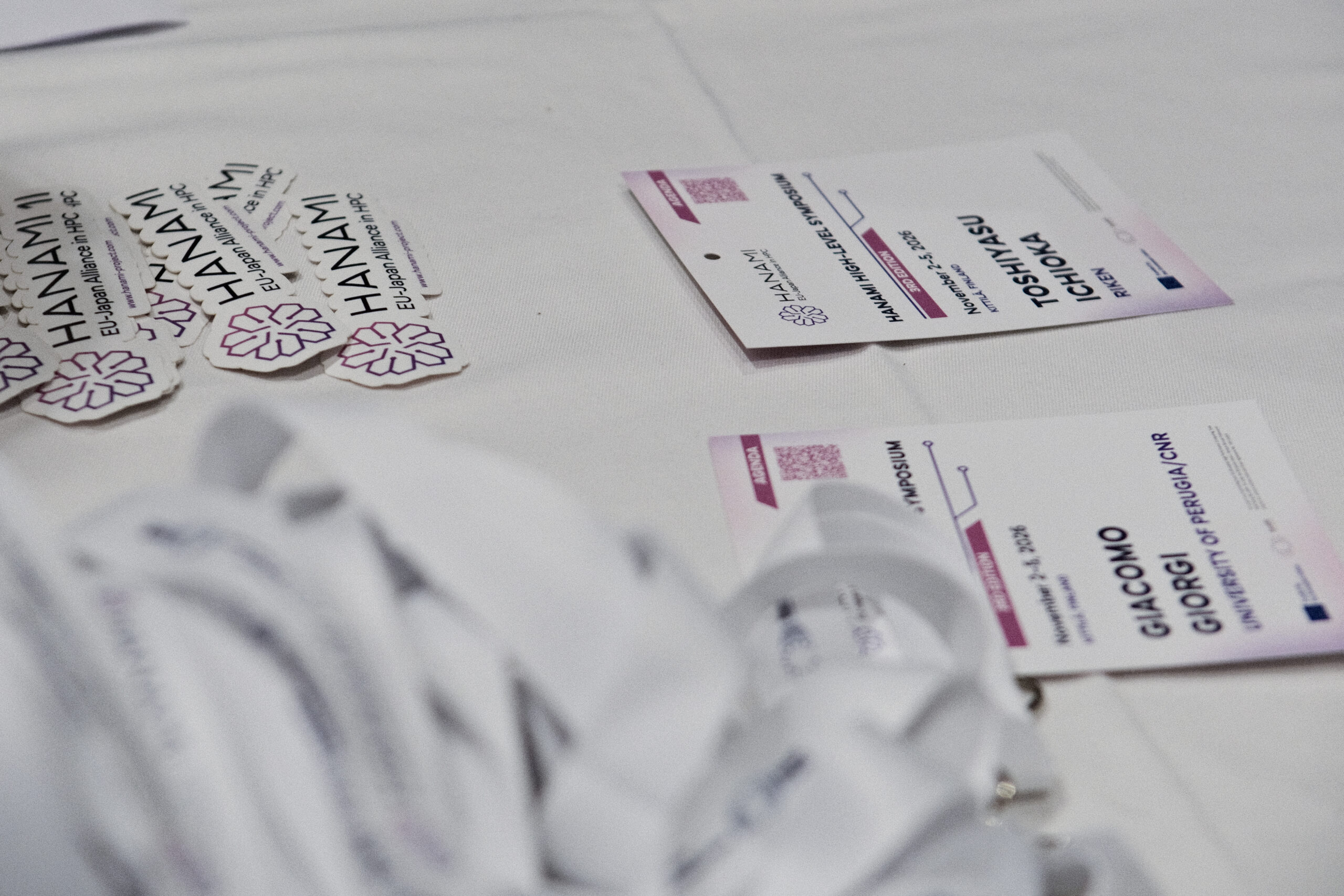
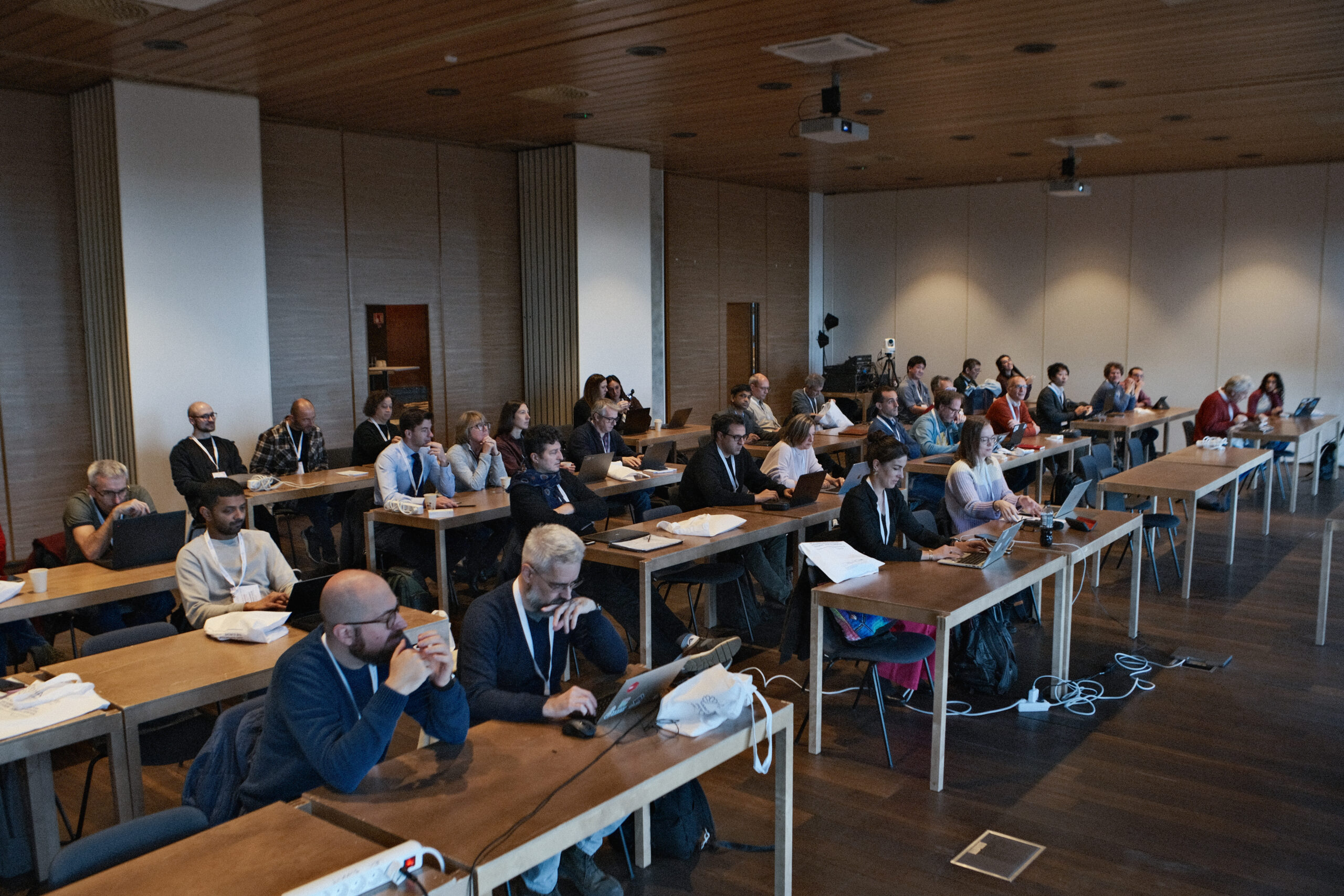
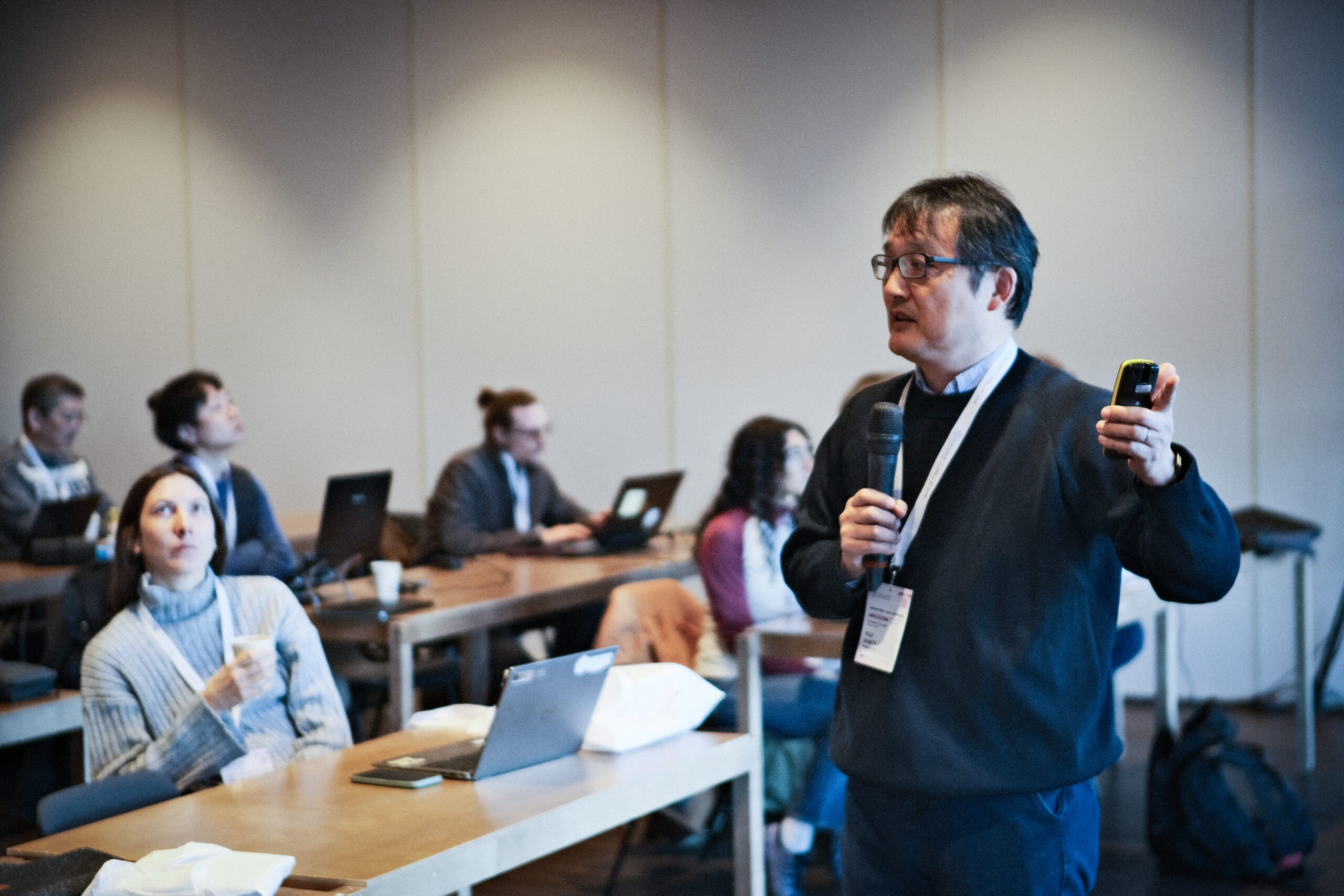
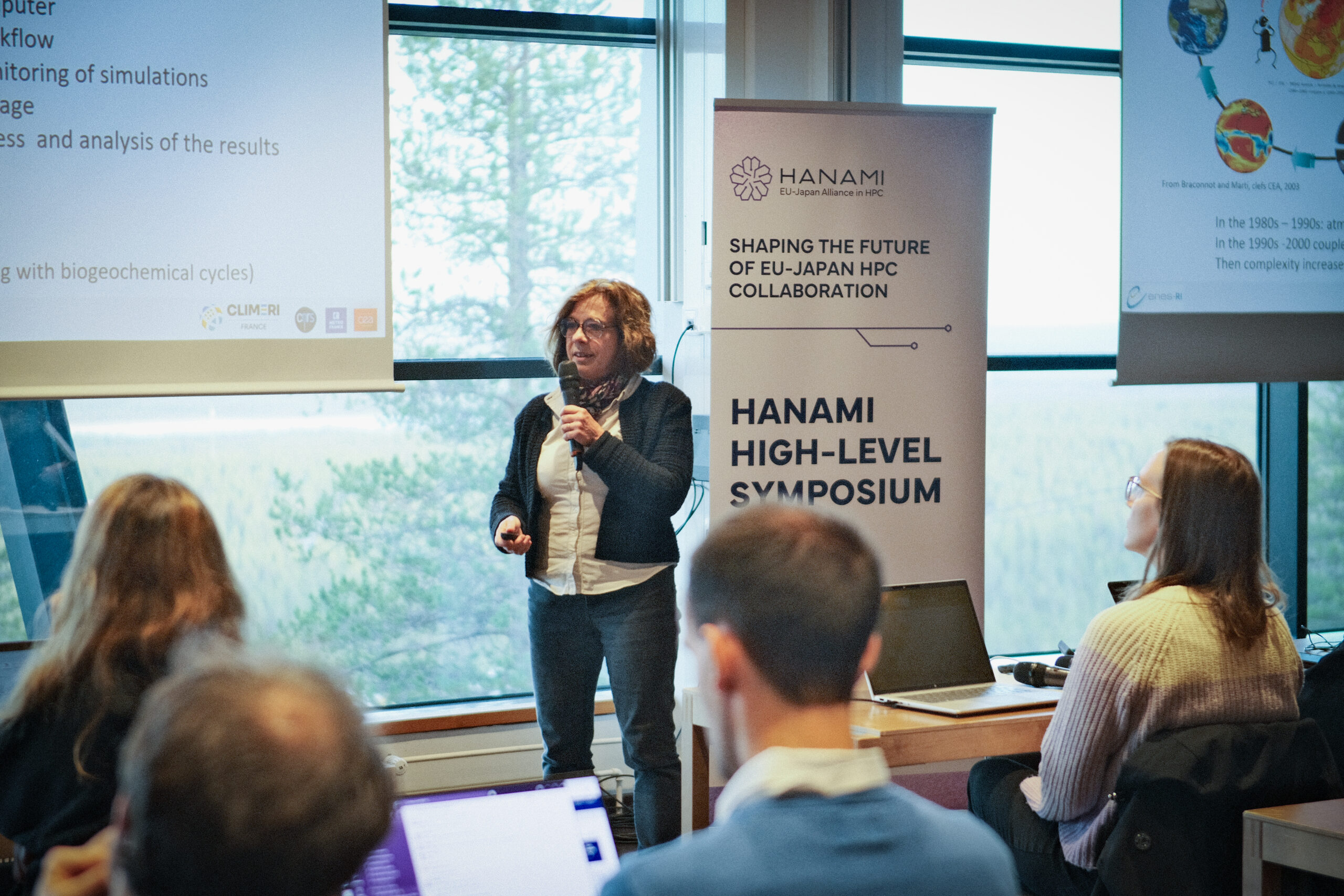
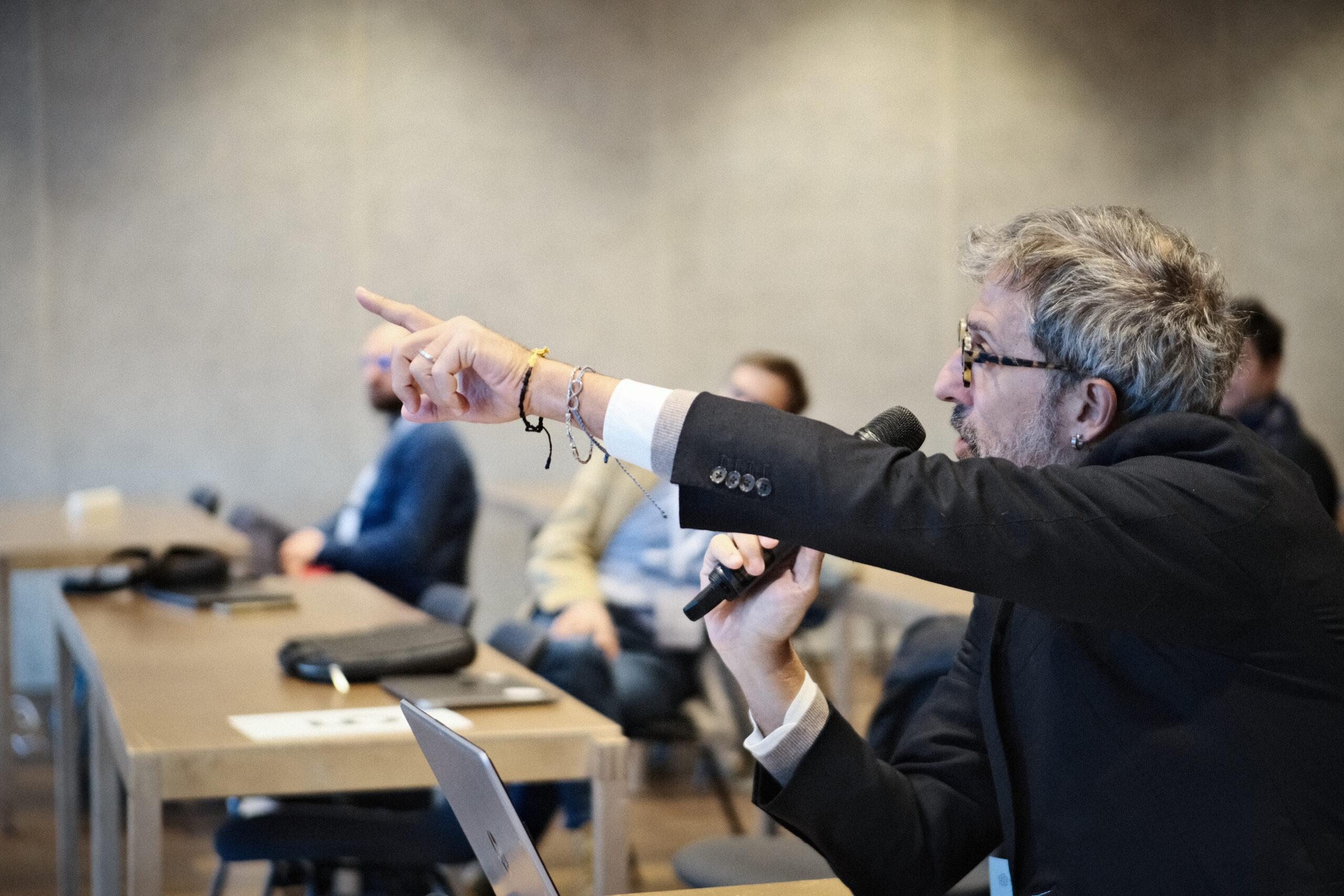
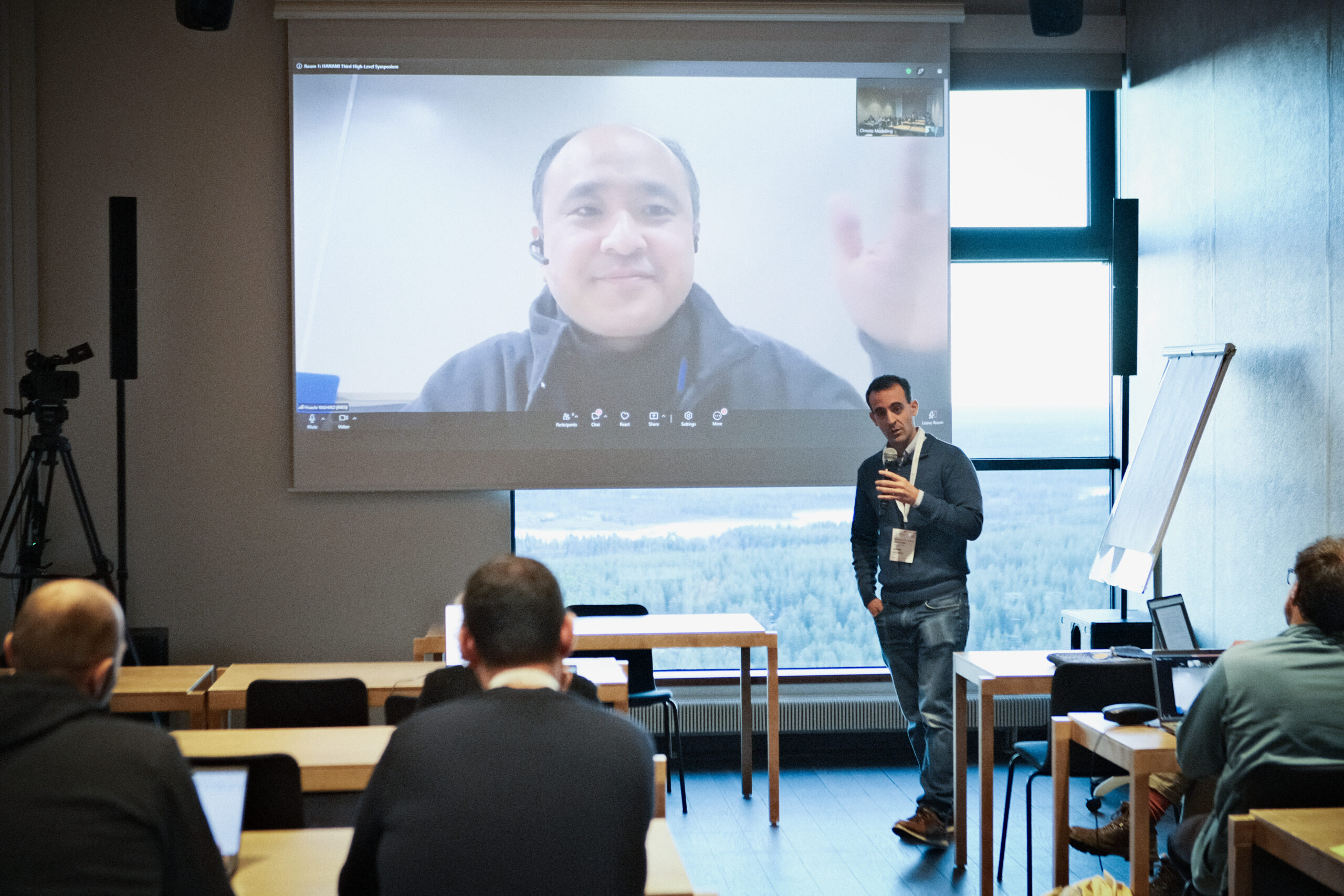
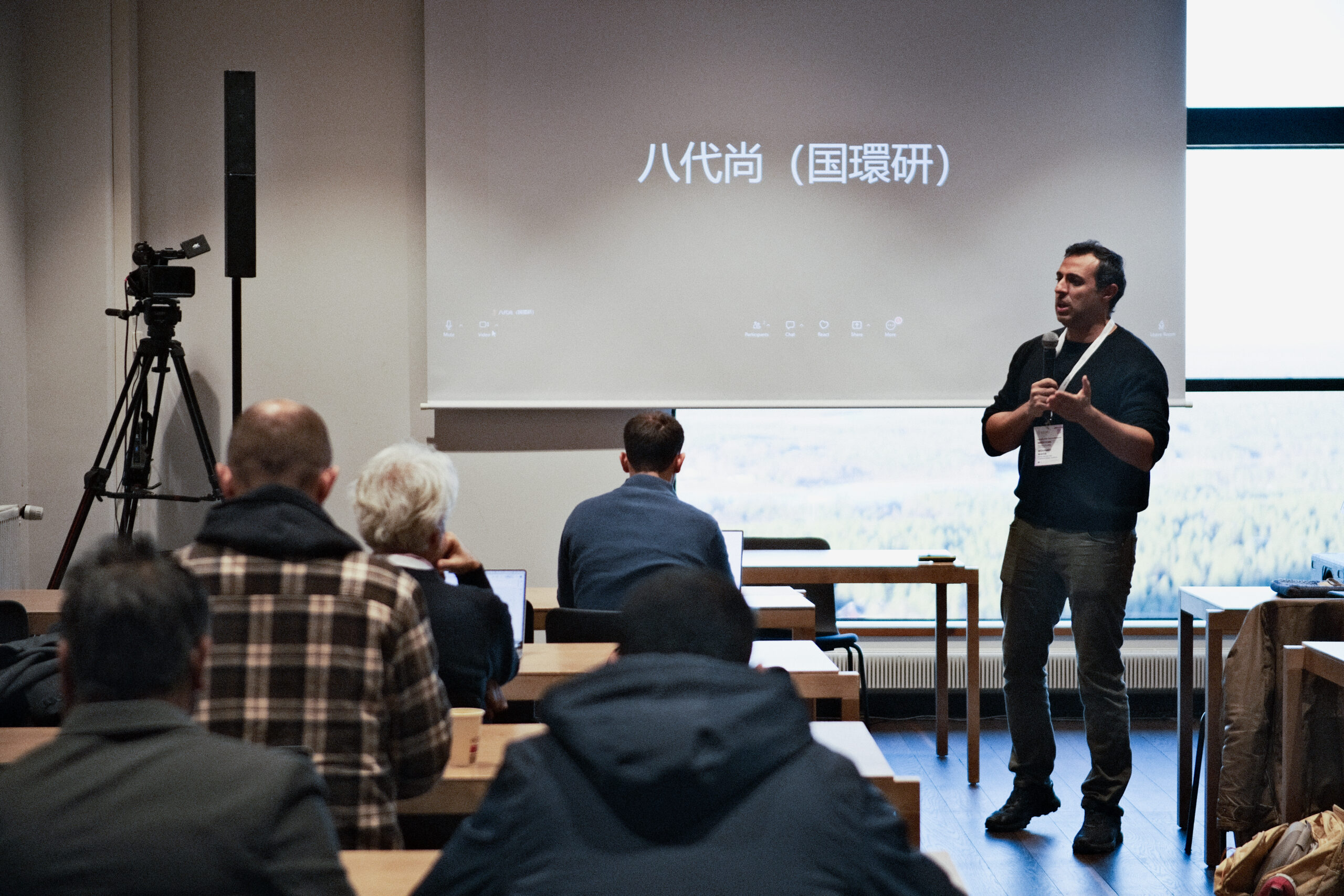
The Dialogue ran alongside the 3rd HANAMI High-Level Symposium, with keynotes from institutions including RIKEN R-CCS, CEA, DKRZ, the Jülich Supercomputing Centre, Osaka University, the Institute of Science Tokyo and KTH. Full programme and speaker list.
HANAMI’s work continues in the coming months with improvements to some results, dissemination and remaining deliverables.