



02/03/2026
Blog
From Chamonix to Japan: Deepening a partnership for climate understanding
By Joachim Biercamp (DKRZ)
In December, HANAMI colleagues from Japan and Europe met in Chamonix, France, for our second HANAMI High-Level Symposium.
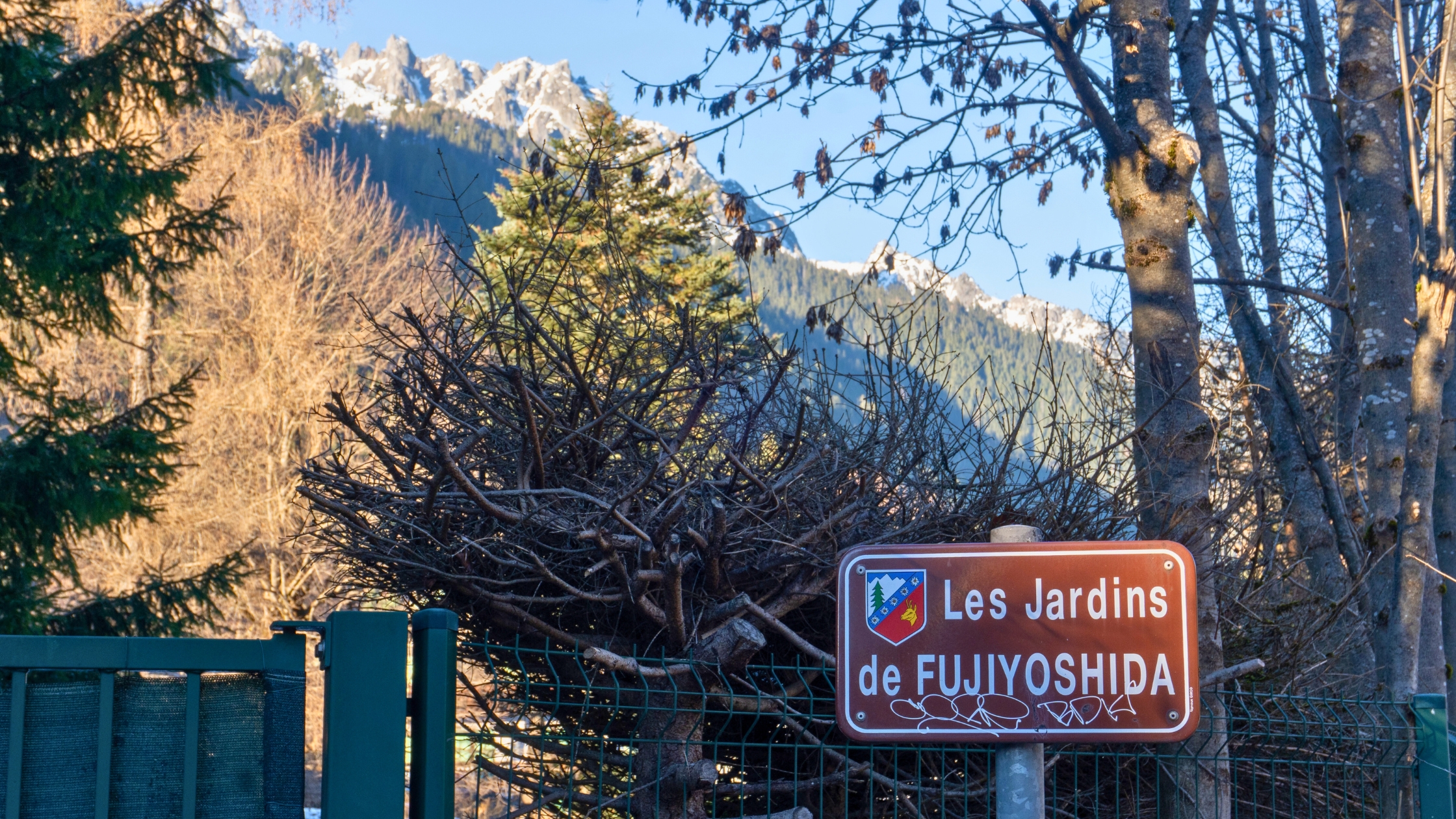
In her opening speech, France, our coordinator, highlighted that we were holding this symposium beneath Mont Blanc, the highest mountain in the Alps, and that this could be understood as a reference and a sign of appreciation for Fuji-san, Japan’s sacred mountain.
Seen through the eyes of someone working in climate science and global change, the venue was also symbolic in other respects. The majestic snow-covered mountains around Chamonix show us the grandeur and beauty of nature and – at the same time – the enormous effort people make to reach even the highest and most remote places and, by doing so, change and use them. From the town centre, it takes just a few minutes to reach the stations at an altitude of almost 4,000 metres, where you can drink a coffee and admire the panorama (like me) or ski back down into the valley (like most people, and like I used to do myself in the past, I admit). Like some other attendees of the symposium, I also took the train to the mere de glace. The extent to which this glacier has been melting in recent years clearly demonstrates the dramatic effects of climate change. And even those who deny that this change is man-made should realise that we need to understand its mechanisms, forecast its future evolution, and develop potentially necessary adaptation and mitigation strategies.
The progress in climate research depends, in many respects, on advances in computer technology, and more specifically on domain scientists’ ability to leverage this technology effectively. Developers and users of Weather and Climate models have always targeted the fastest available supercomputers. As a result, ever more complex numerical models must be continuously adapted to ever more complex, rapidly evolving computer architectures. Driven by these challenges, a strong community formed within the weather climate modellers in both Europe and Japan.
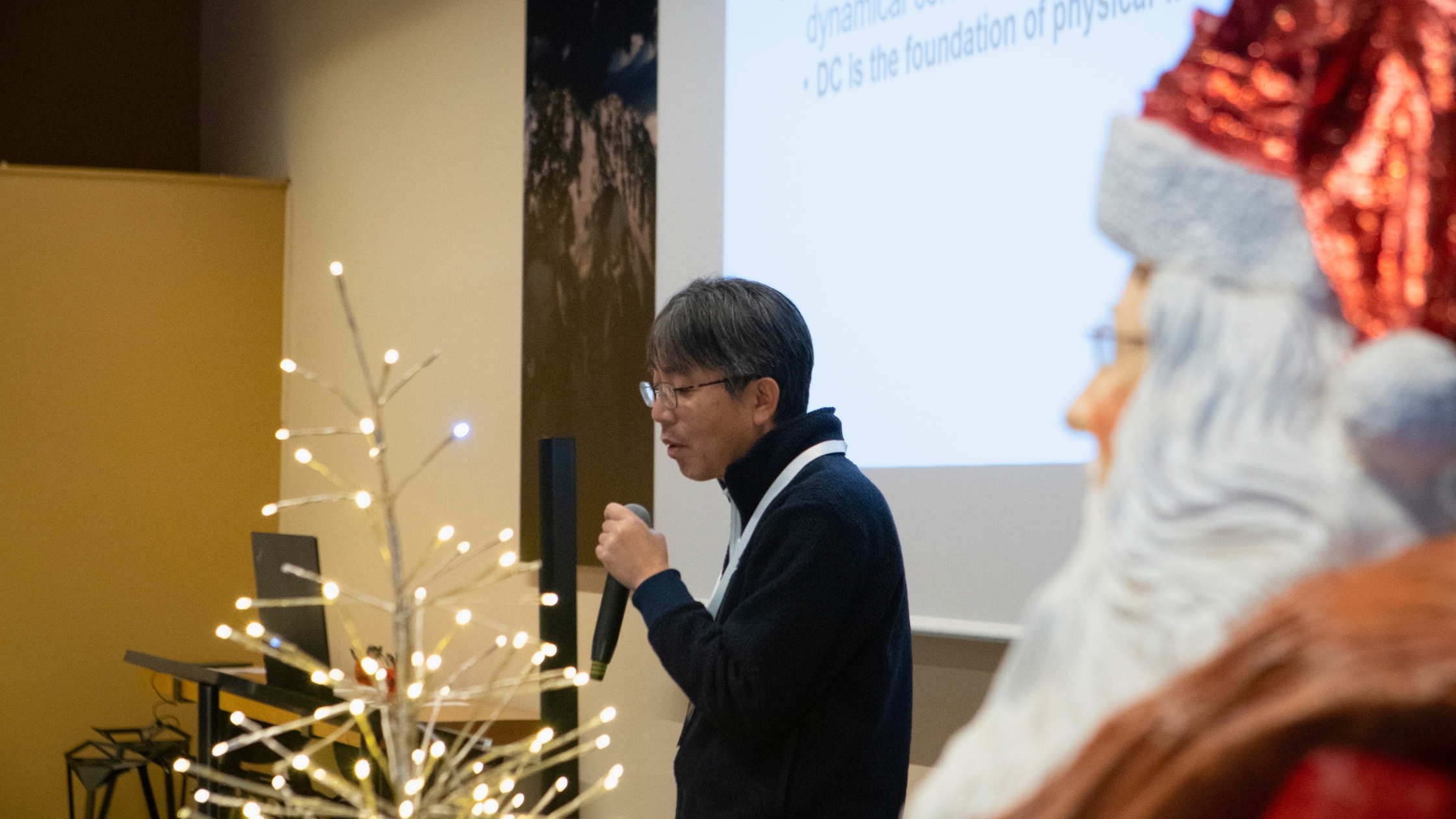
Japanese scientists have for decades been pioneering numerical climate simulation. The Earth Simulator in Yokohama was number one on the Top 500 list for three consecutive years (2002-2004). This NEC SX-6 vector computer filled a hall the size of a soccer field and had a peak performance of nearly 40 Teraflops, i.e less than the smartphones of the attendees of our symposium combined. But of course, it is not (only) theoretical peak performance that matters but e.g. memory bandwidth and sophisticated algorithms and software. Our Japanese keynote speaker, Hirofumi Tomita, together with last year‘s keynote speaker Masaki Satoh, led the development of a cutting-edge global model based on their so-called dynamical core, which, using the Earth Simulator, laid the foundation for a new generation of global climate models (Tomita et al 2005, https://doi.org/10.1029/2005GL022459). This year, at our High Level Symposium, Tomita-san presented his ideas for the next step change in this field, in particular, the role of AI in climate science and his plans for a new dynamical core which is truly energy conserving and for which he even sees a chance that it might be implemented on a quantum computer.
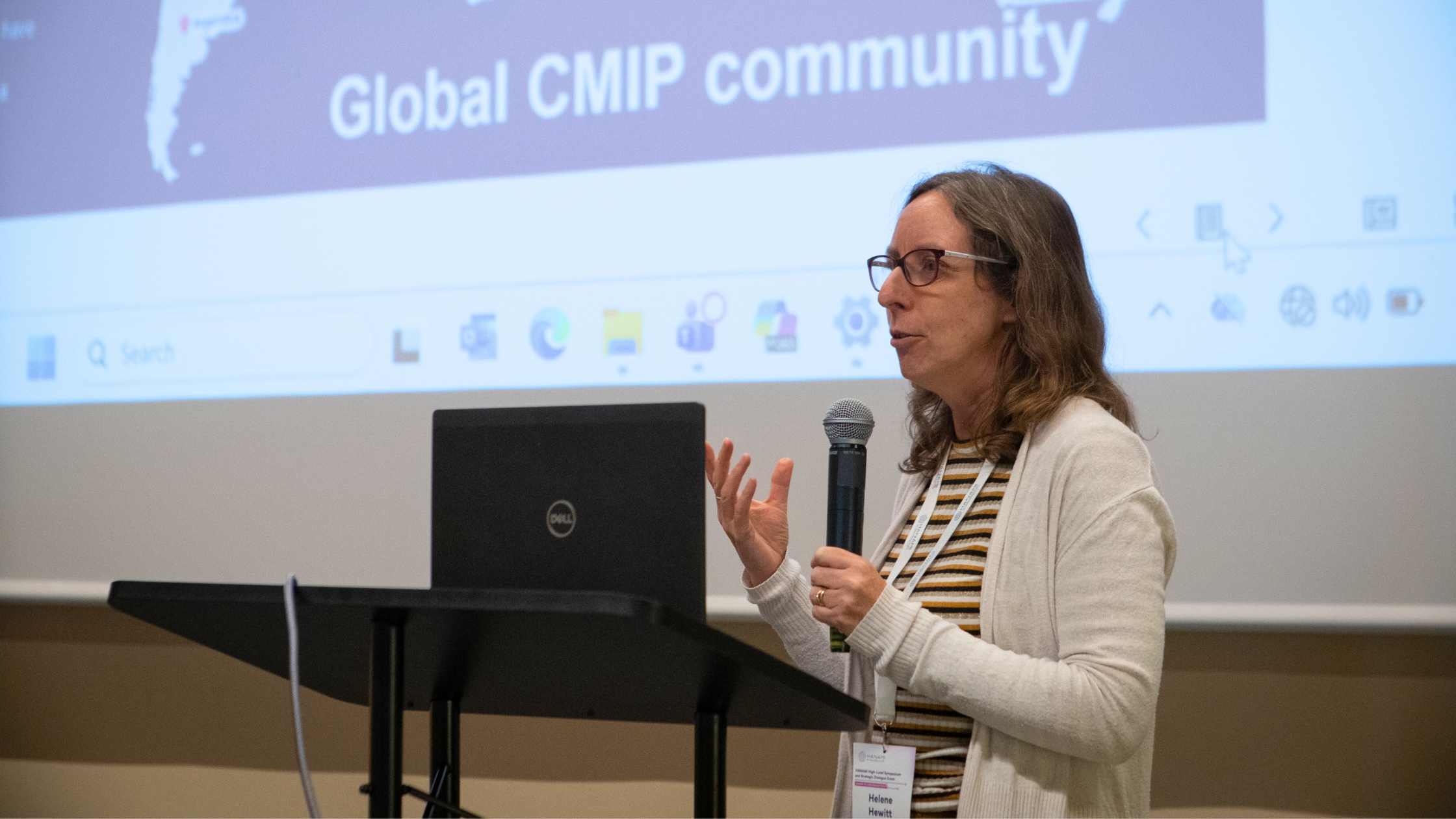
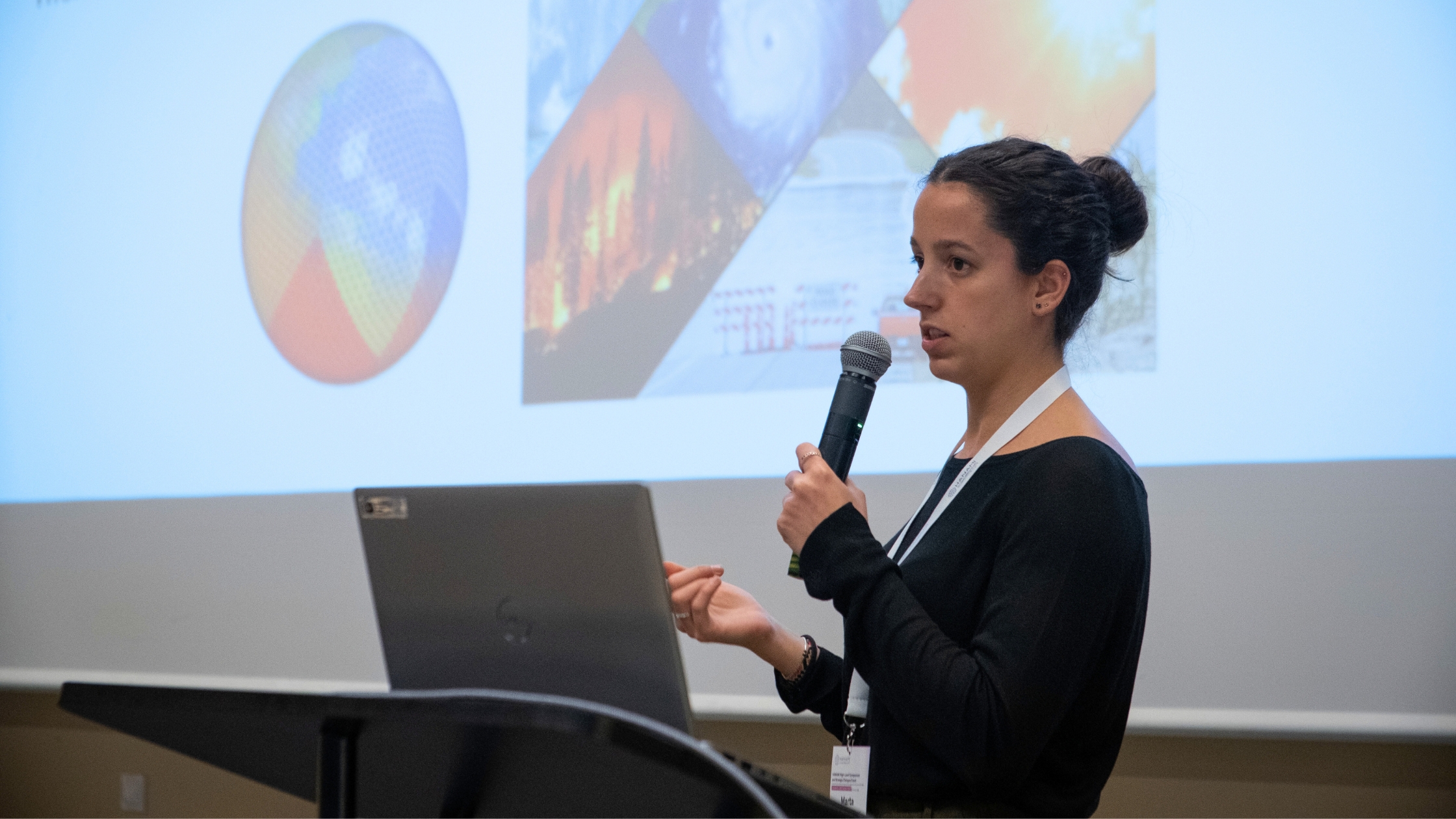
Our second keynote speaker, Helen Hewitt, in her capacity as co-chair of the international Coupled Model Intercomparison Project, showed how today’s climate models are successfully applied to real-world problems and how they help us to understand climate change and provide decision makers with the information they need to understand the nature and scale of global change. What politicians and other decision-makers do with this information then remains to be seen. Fortunately, there are committed young scientists in our field to advance both cutting-edge developments and the generation of knowledge and insight. One of them, Martha Alerany, reported on her visit to Japan and on her cooperation with Japan, and shared some ideas on how to turn our research into something useful for the general public, in the plenary session of the symposium.
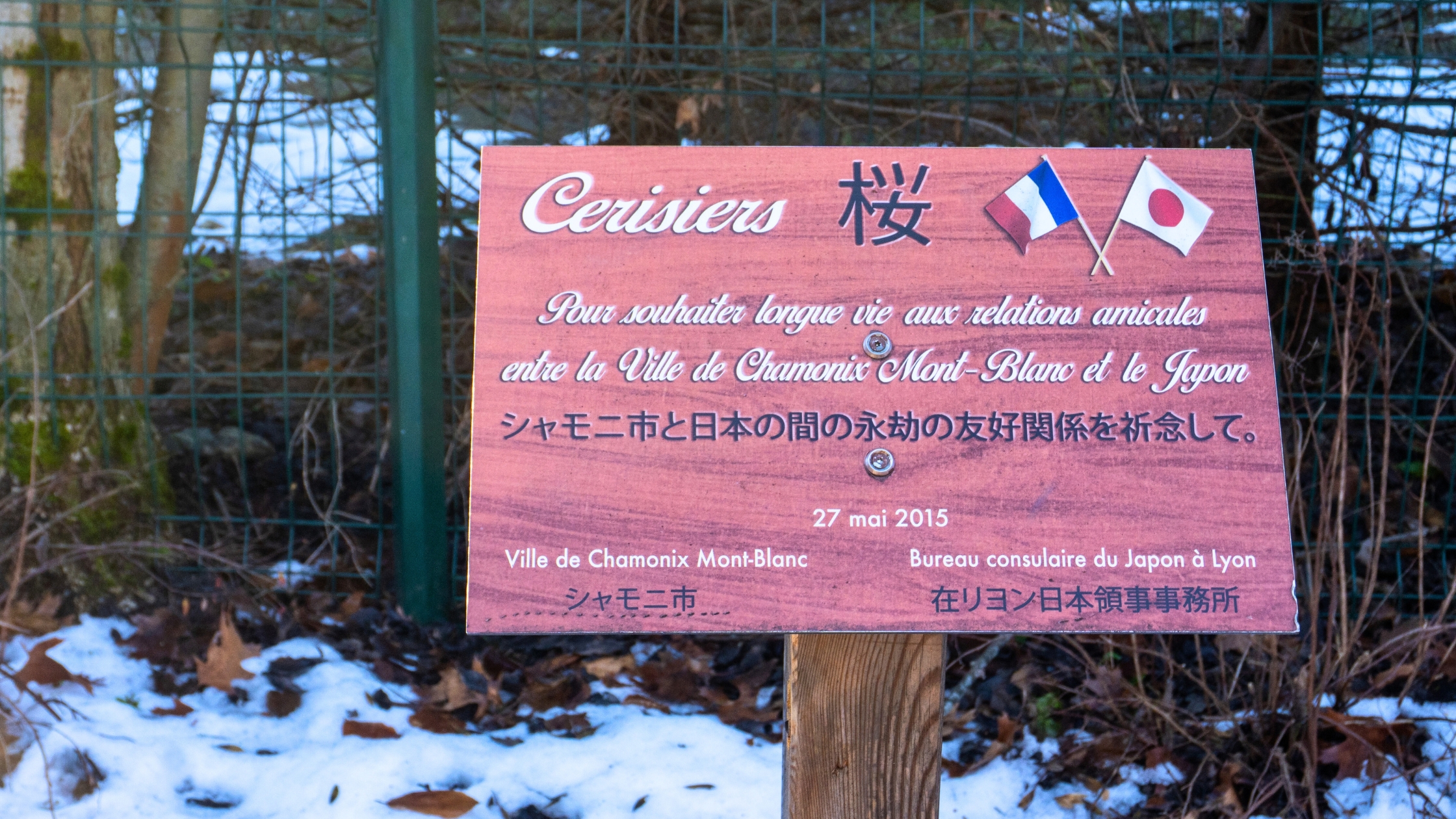
After the symposium, I visited the exhibition marking the hundredth anniversary of the first Olympic Winter Games, held in Chamonix in 1924, which made me dwell on how we humans enjoy nature, while significantly changing it to our needs. On my last day, I found myself in “Jardin de Fujiyoshida”, a garden that reminded me of Mount Fuji, where cherry trees have been planted to wish a long life to the friendship between Chamonix-Mont Blanc and Japan. This symbolic bridge mirrors the ambition of HANAMI: to strengthen and expand EU-Japan collaboration, ensuring that scientific cooperation evolves as enduringly as the friendship it builds upon.