

21/01/2026
News
20/02/2026
HANAMI contribution to HPCAsia and the ACM Asian School 2026
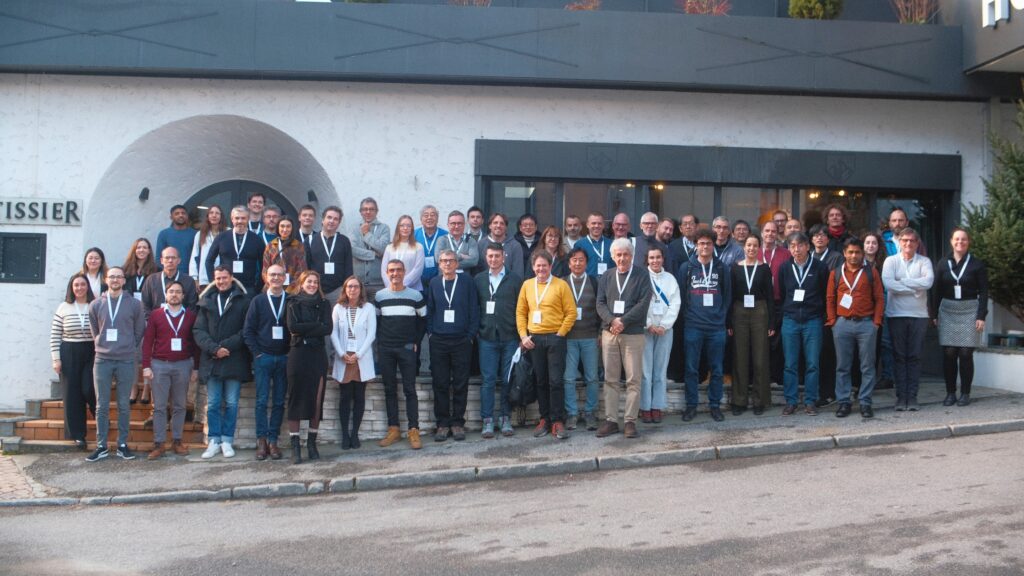
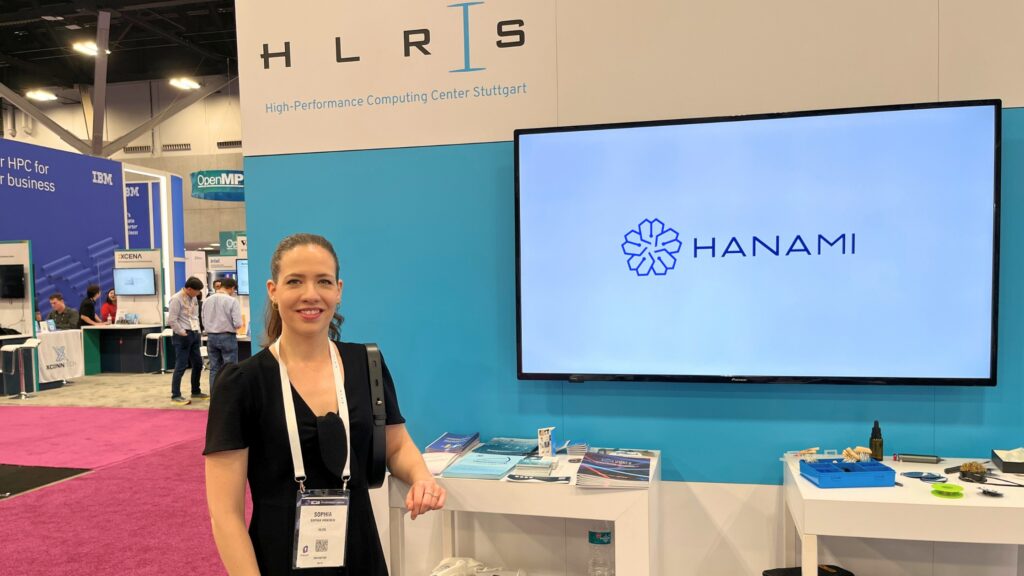
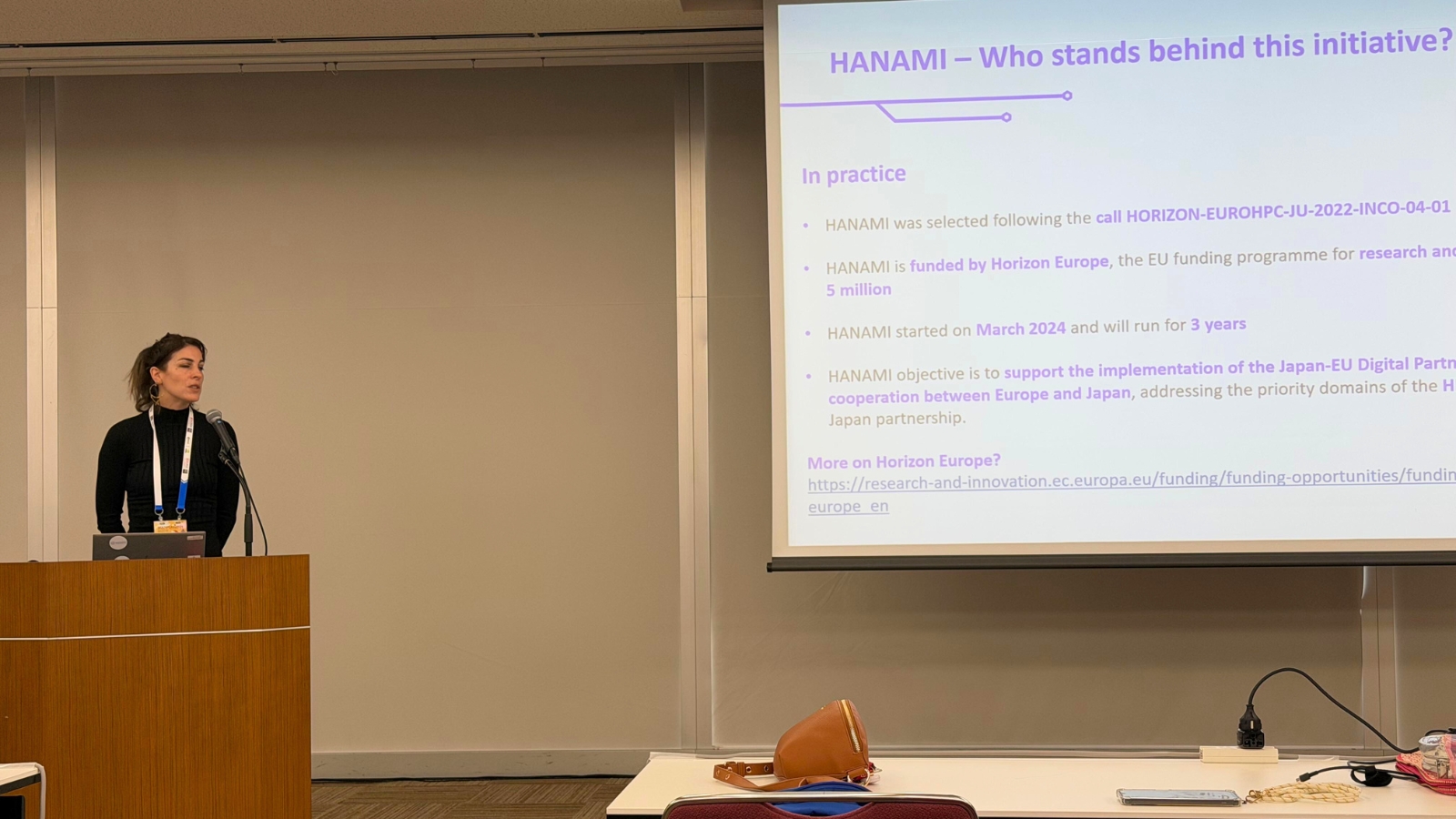
HANAMI participated in Supercomputing Asia / HPCAsia 2026, held in Osaka from January 26 to 29, strengthening its role in promoting long-term collaboration between Europe and Japan in high-performance computing (HPC).
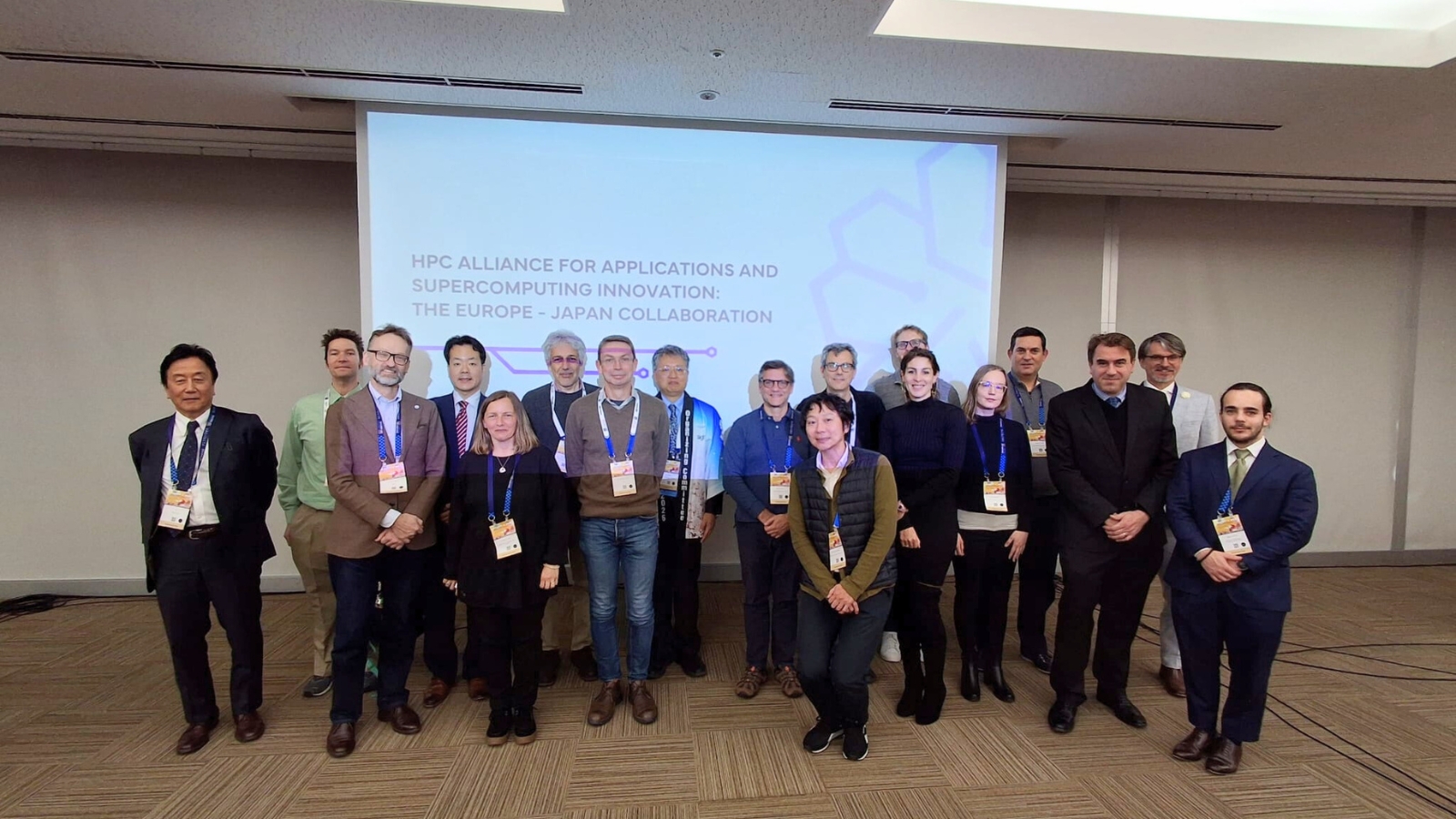
During the conference, HANAMI hosted the invited session “HANAMI – Bridging Europe & Japan through High-Performance Computing”, which showcased joint scientific projects led by European and Japanese teams. The session provided insights into the current and future directions of EU–Japan cooperation across HPC, artificial intelligence (AI), quantum computing, climate and weather modelling, materials sciences, and biomedical science, supported by contributions from the European Commission, MEXT, and EuroHPC.
“I am pleased by how strongly our HANAMI delegation contributed to EU-Japan collaboration. My warm thanks go to all HANAMI members and our colleagues for their fruitful contributions. With insights from the EC, MEXT, and EuroHPC, we now move forward with renewed perspectives to shape the future roadmap. HANAMI is a team effort, and collaboration is our fuel,” said France Boillod Cerneux, HANAMI coordinator.
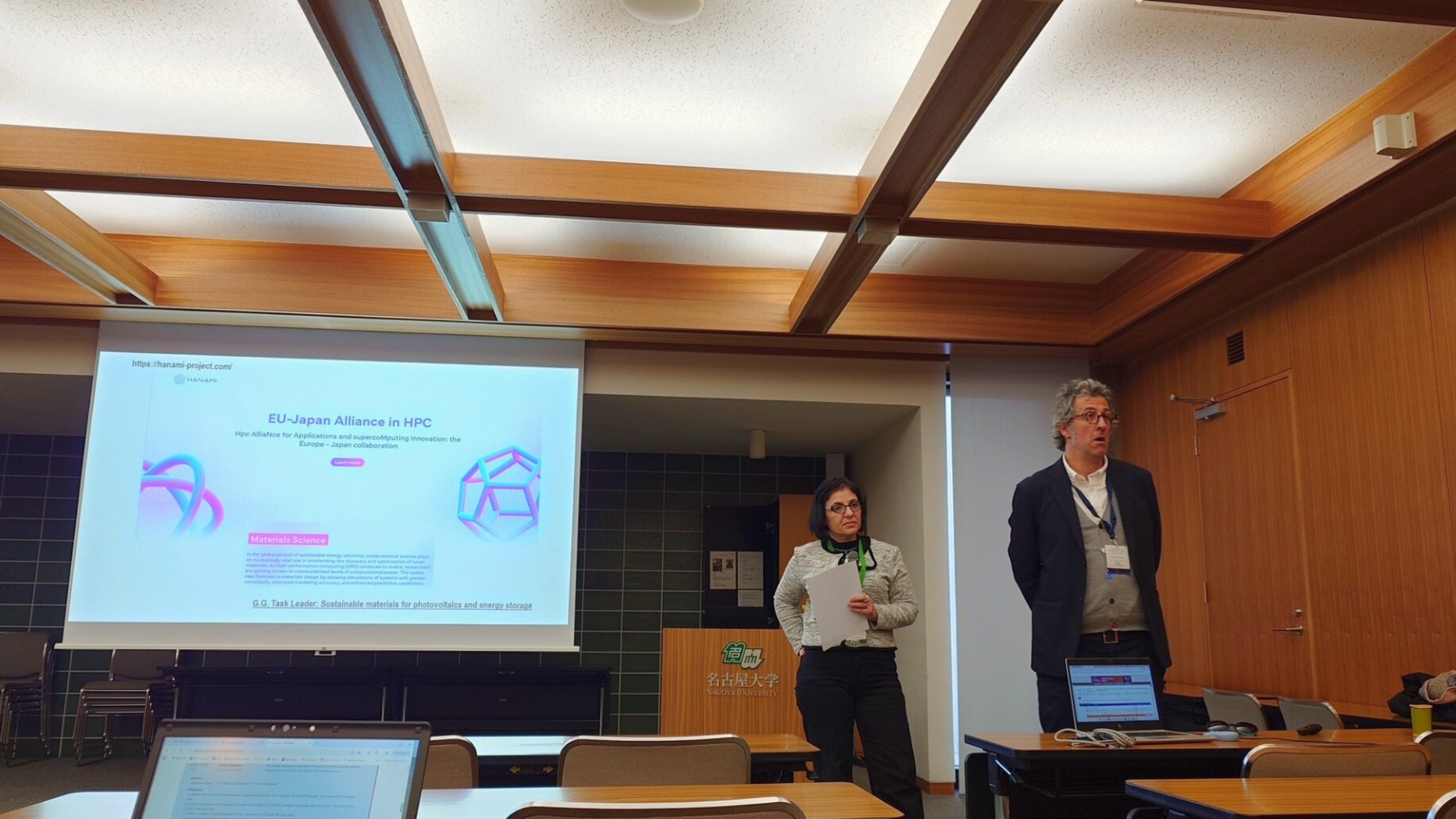
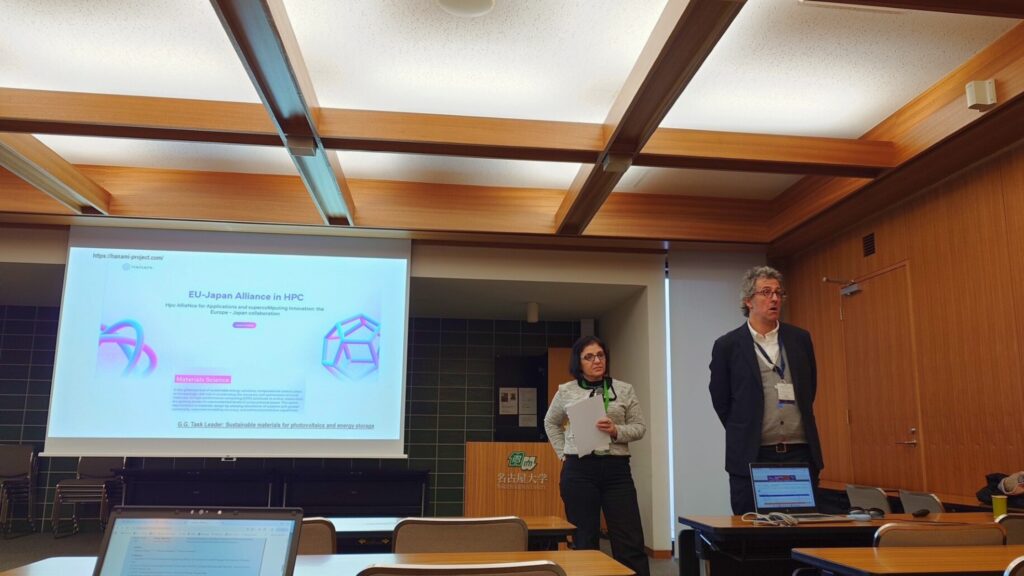
Daniele Varsano (CNR-NANO) contributed to the invited session “HPC Alliance for Applications and Supercomputing Innovation”, presenting the perspective of European research and collaboration in advanced computational science.
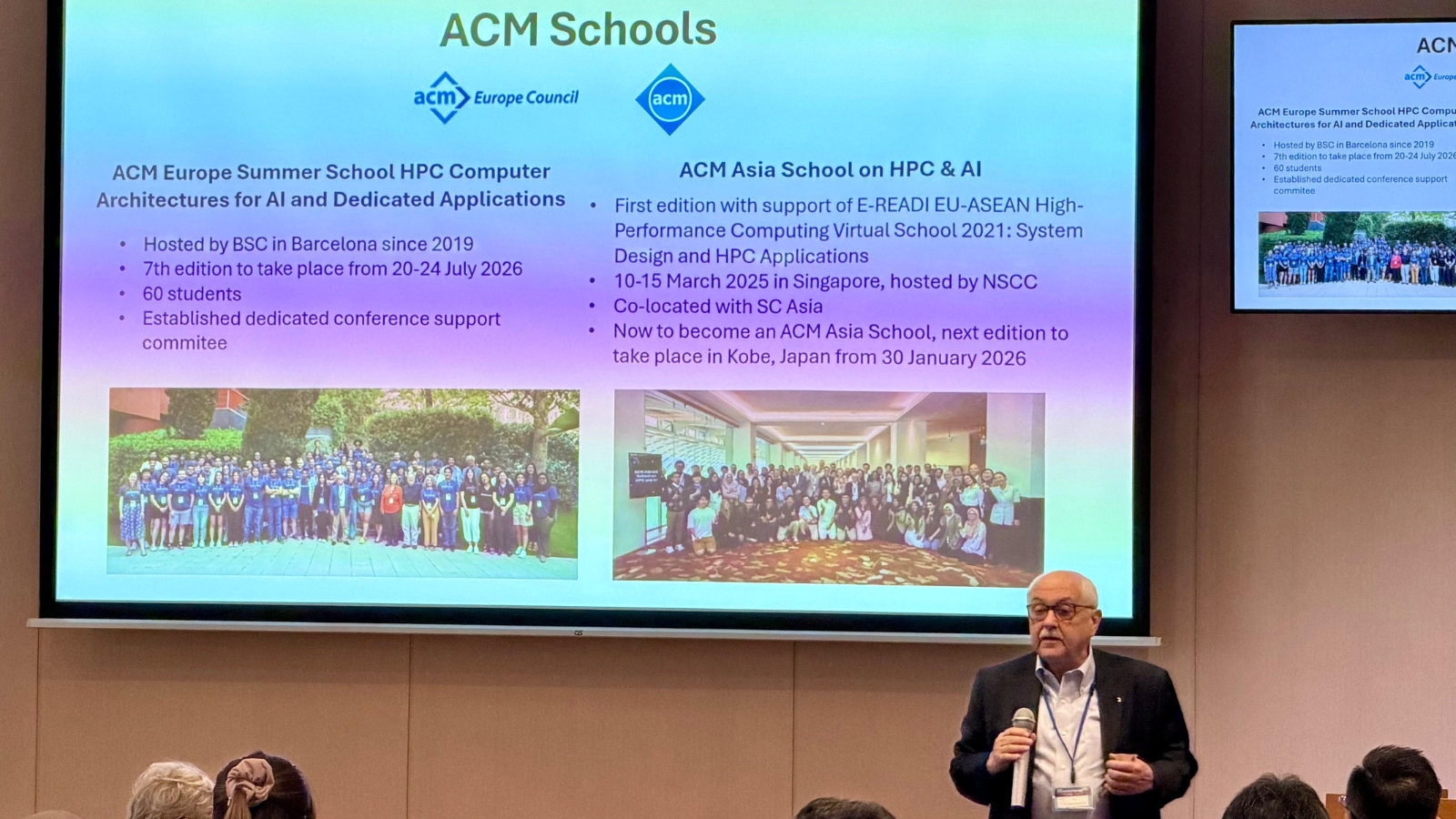
ACM Asian School on High-Performance Computing and Artificial Intelligence
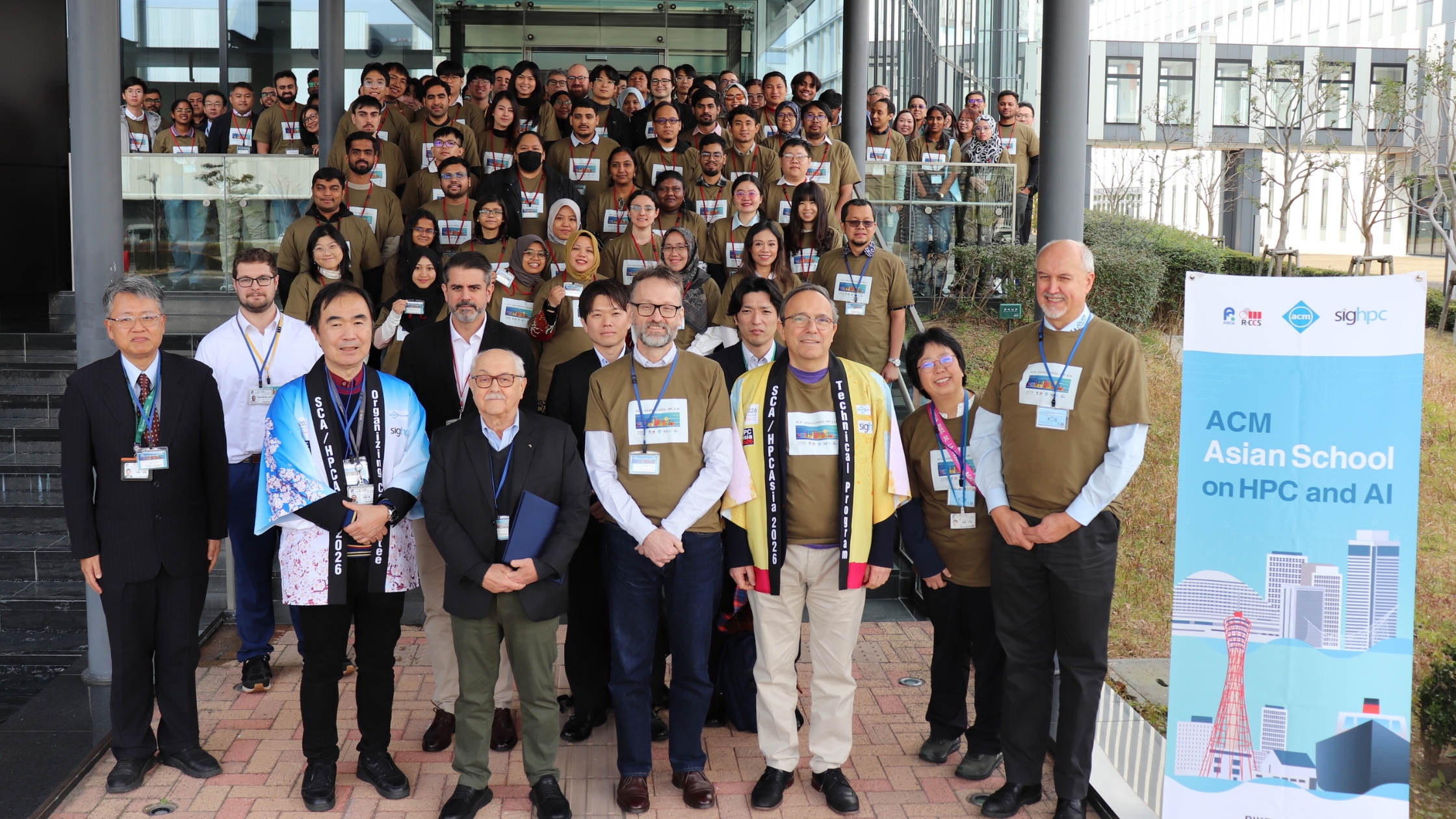
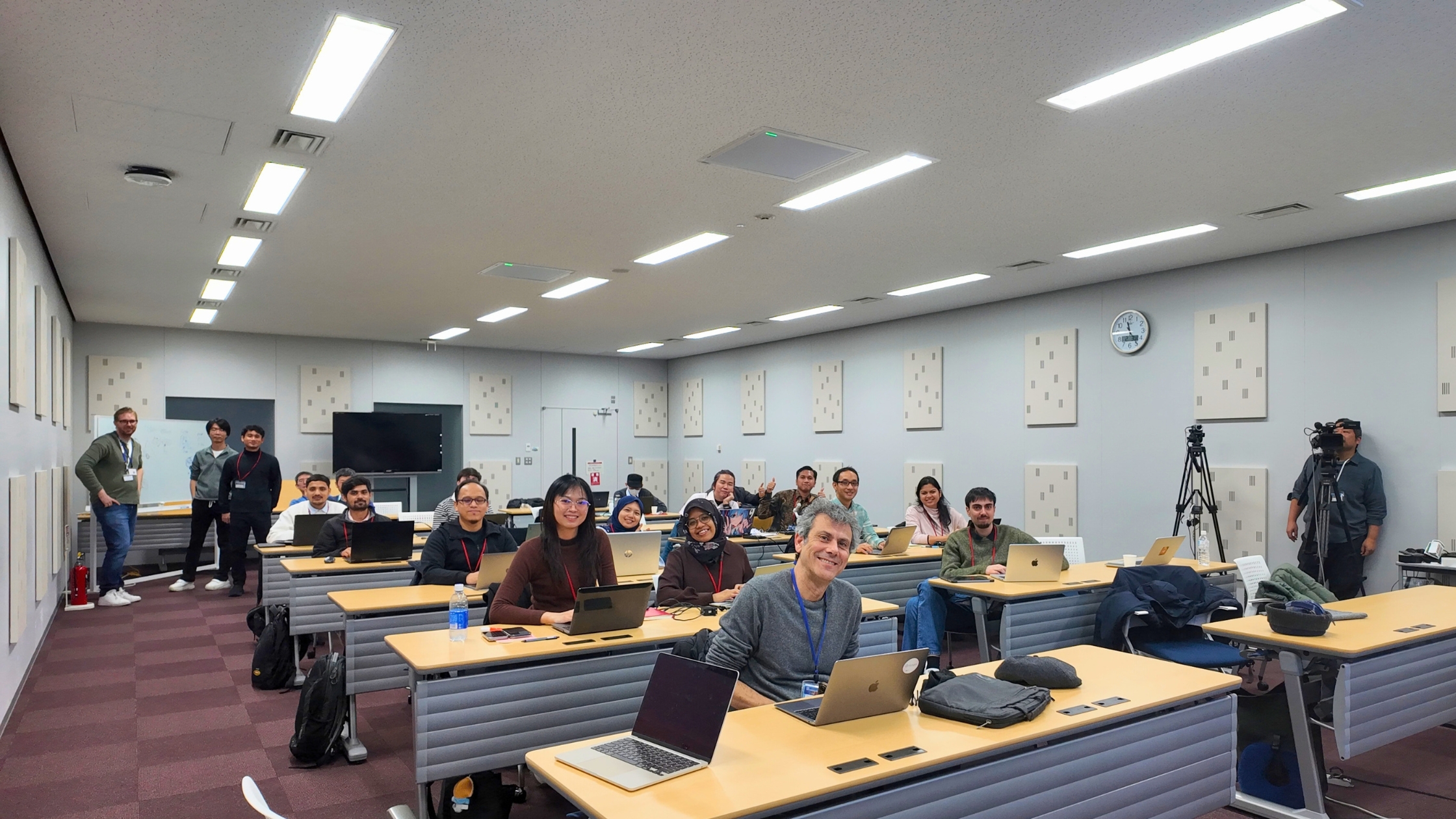
Following HANAMI’s engagement at HPCAsia, the team extended its involvement by participating in the 2026 ACM Asian School on High-Performance Computing and Artificial Intelligence, hosted by the RIKEN Center for Computational Science (R-CCS) in Kobe. As a co-located event of Supercomputing Asia, the school provided advanced training to PhD students, postdoctoral researchers and selected MSc students in HPC, AI and computational science.
The programme began with three days of common lectures focused on HPC topics, after which participants were divided into dedicated scientific areas. A total of 75 students attended the school, distributed across the following tracks: Life Science (35); Earth Science (23); and Materials Science (17), an area included for the first time this year.
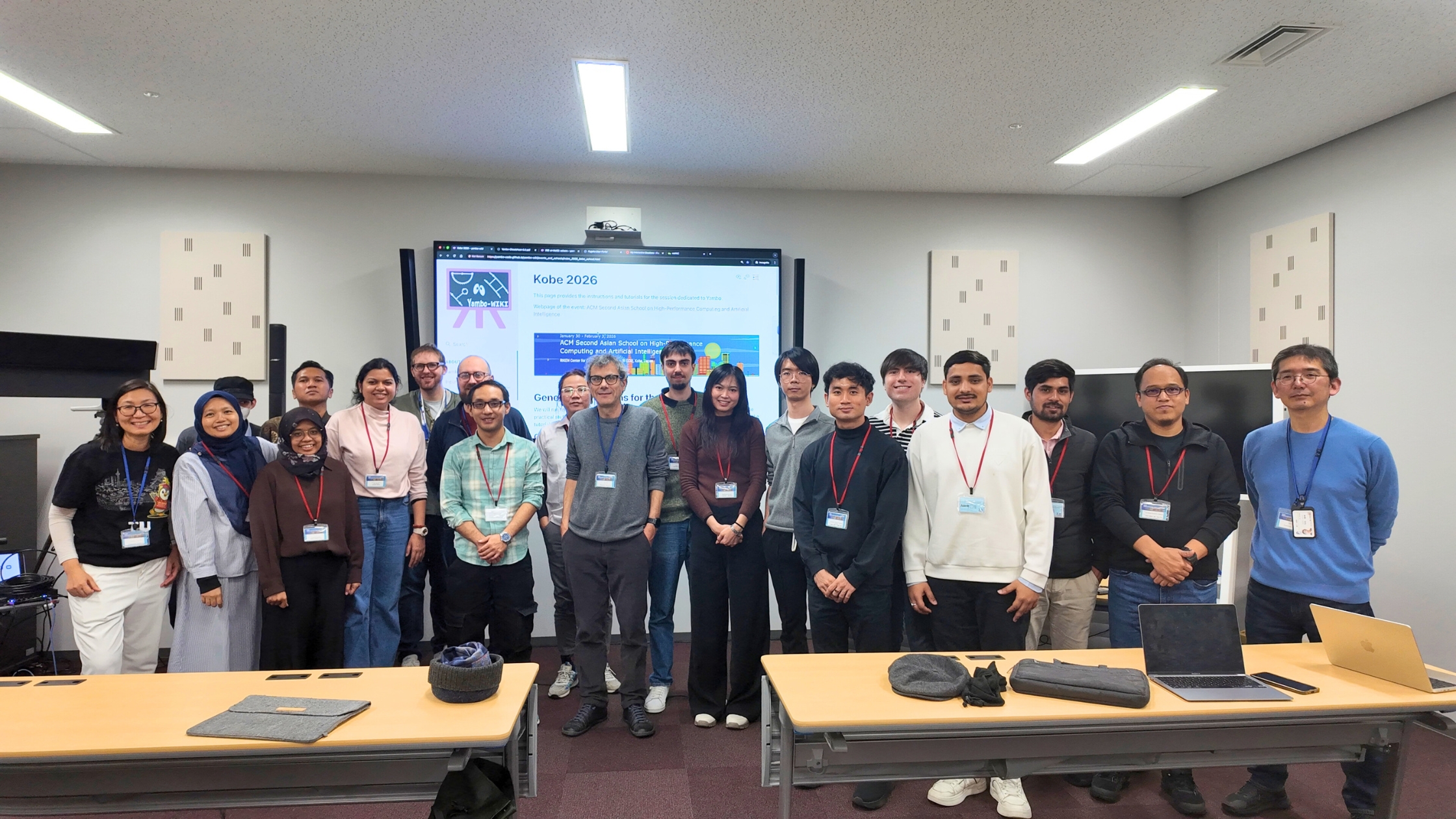
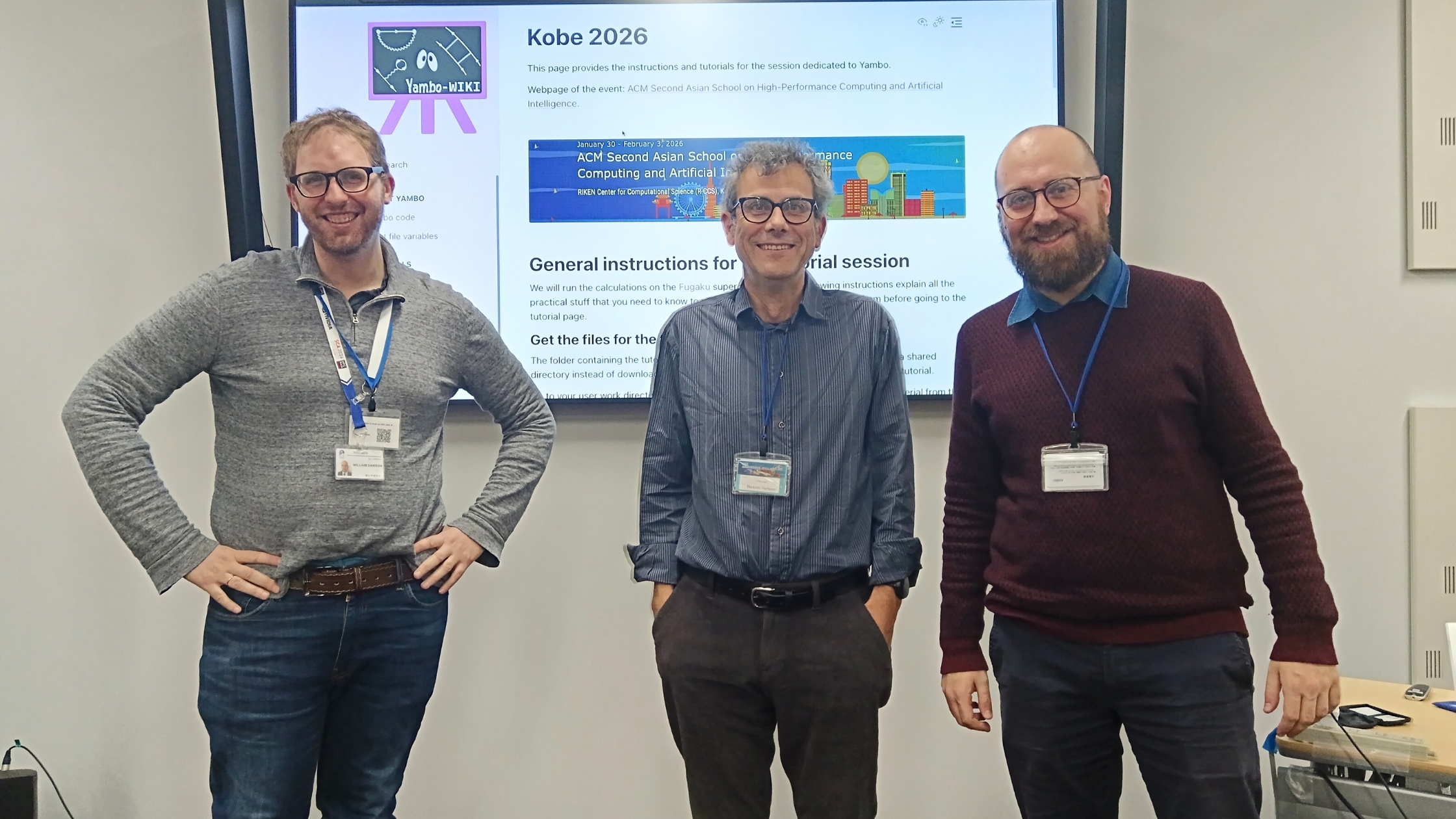
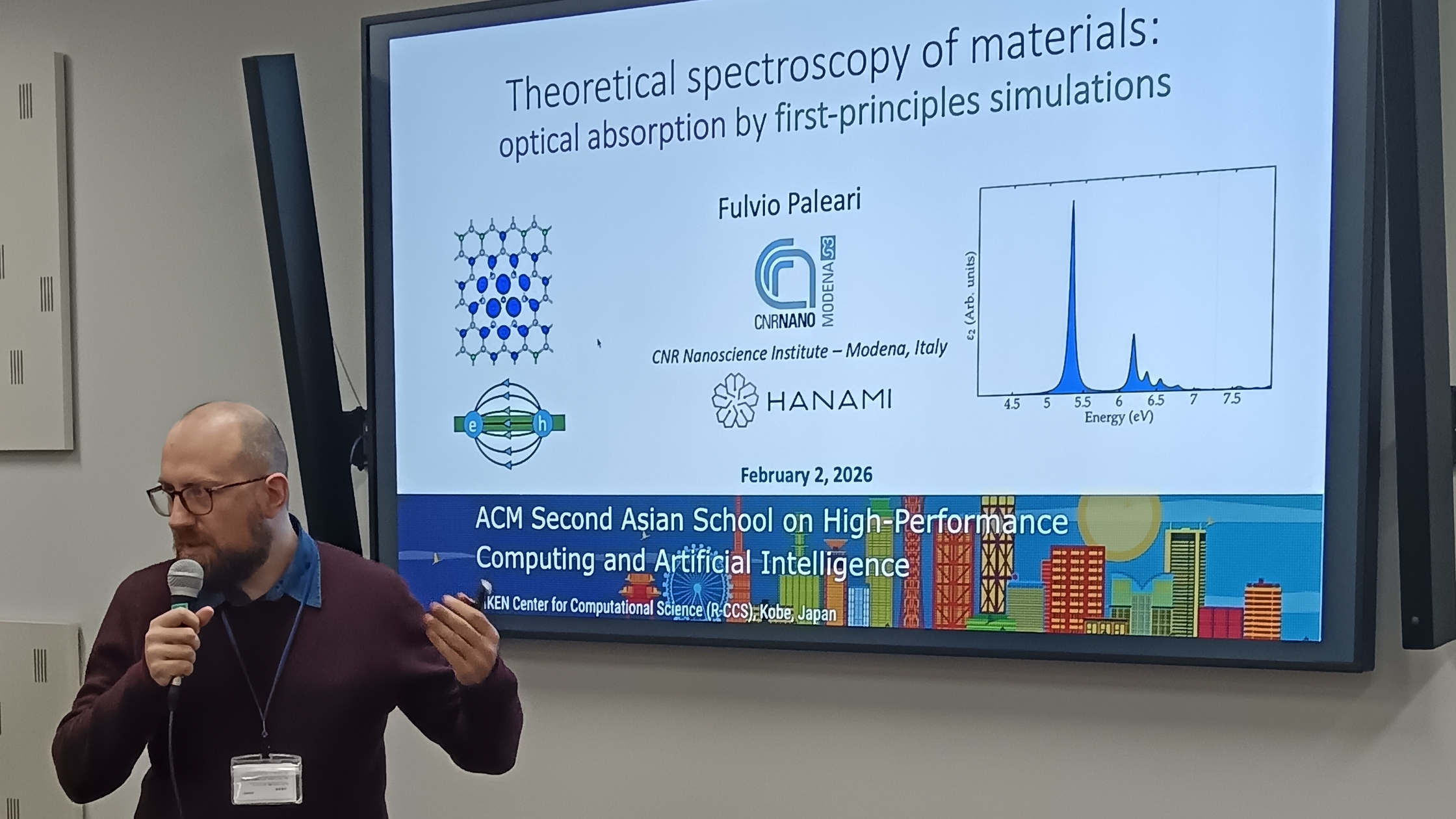
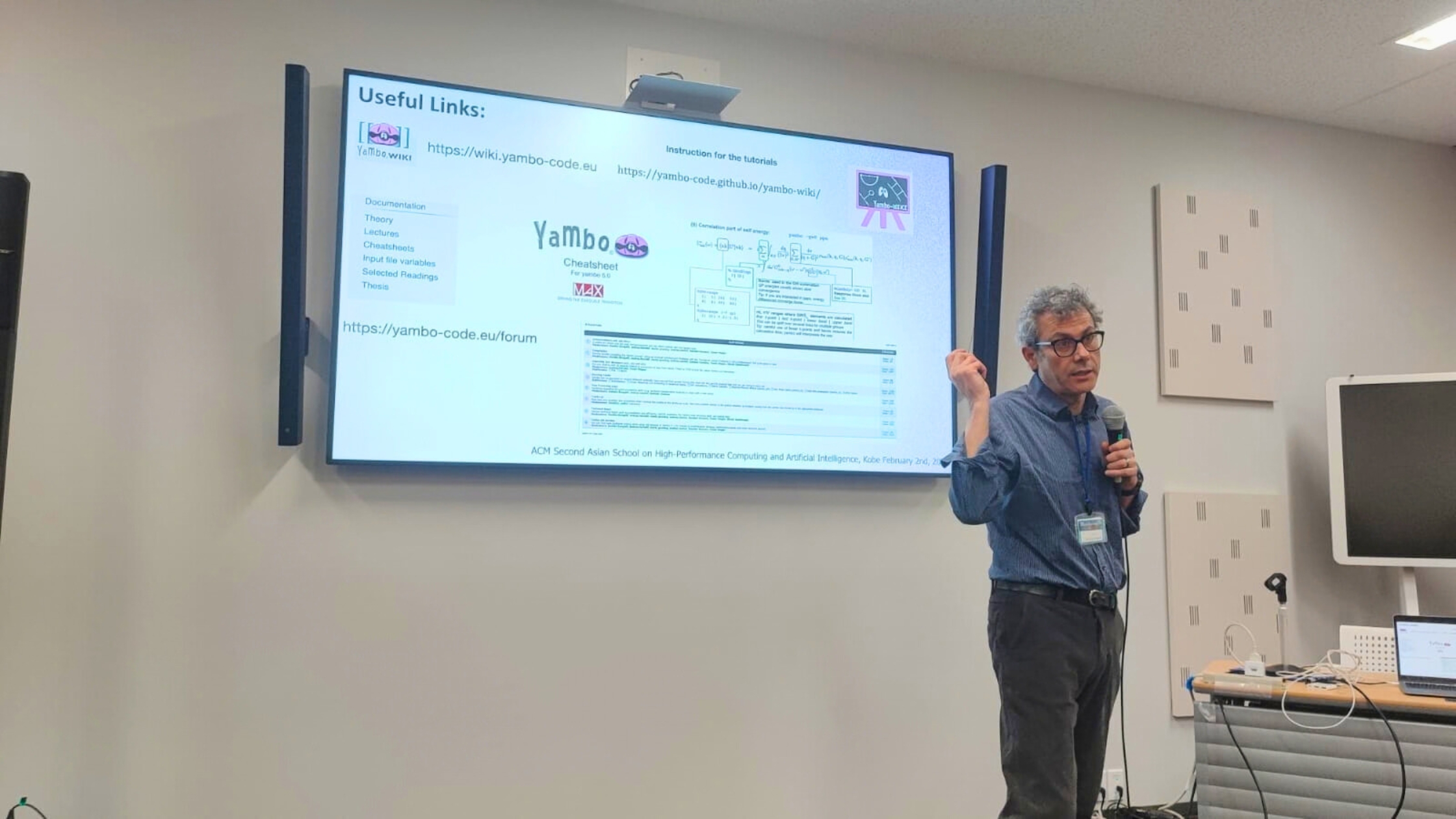
As part of the programme, Daniele Varsano and Fulvio Paleari (CNR-NANO) presented lectures and hands-on tutorials on many-body methods using the YAMBO code, contributing to materials science. These sessions covered topics ranging from many-body perturbation theory to quasiparticle corrections and optical absorption spectra.
“As a lecturer at the ACM Asian School, what I found most valuable was the strong interaction with the students. Their curiosity, thoughtful questions, and proactive attitude during the hands-on tutorials made the experience especially rewarding. This edition marked the first time that a dedicated materials science session was included in the program, and its success clearly reflects the growing interest in HPC-driven materials simulations,” remarked Daniele Varsano, Senior Researcher of CNR Institute of Nanoscience.
“Overall, the school provided an excellent environment to extend the impact of our community’s work to students from across Asia, bringing together participants with diverse backgrounds ranging from computer science to scientific expertise in Earth system modelling. The structure of the event created an ideal setting to plant the seeds for future collaborations with Europe, enabling connections that can develop further through continued contact and joint activities,” explained Mario Acosta, leading researcher at the Barcelona Supercomputing Center.
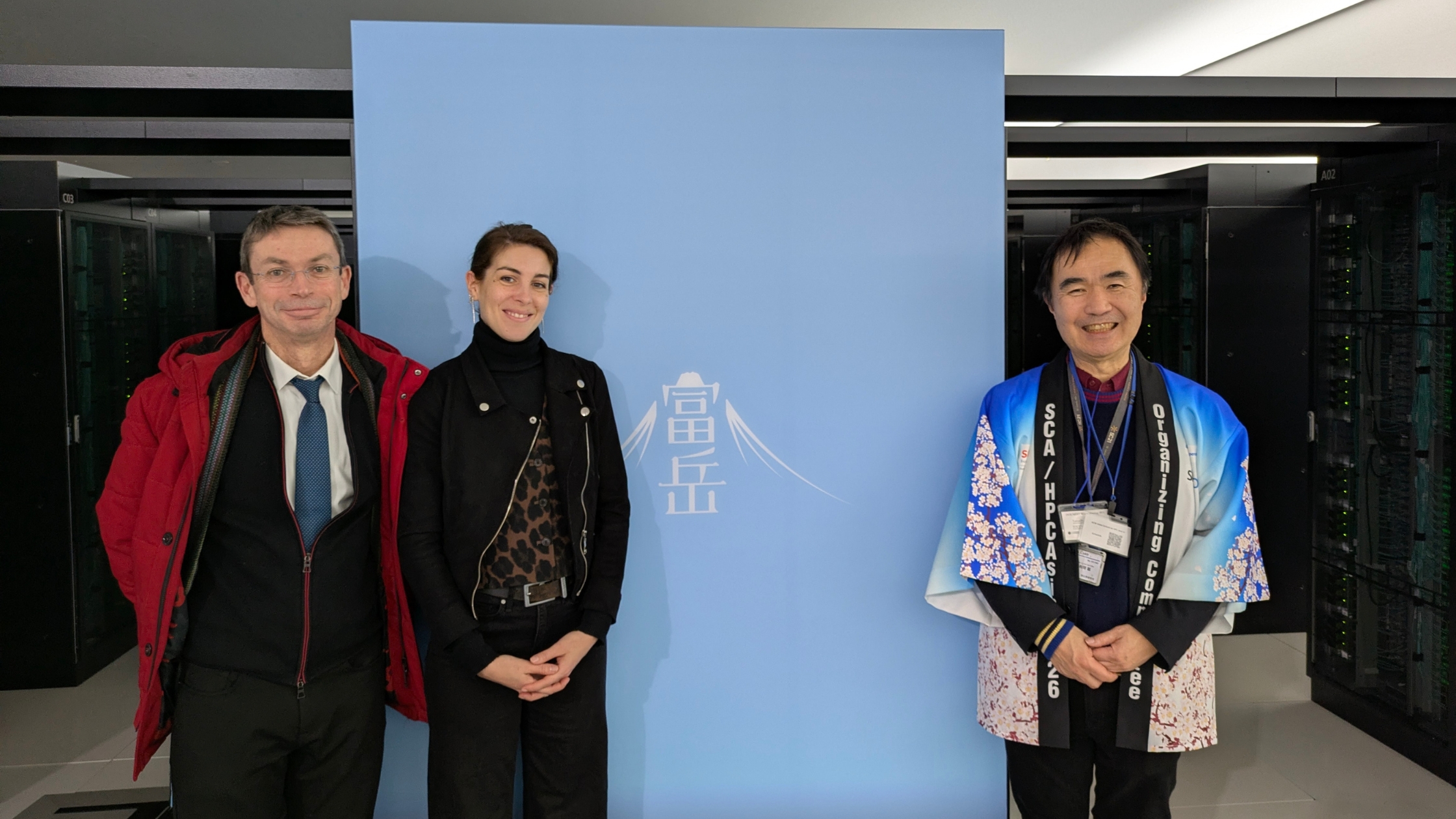
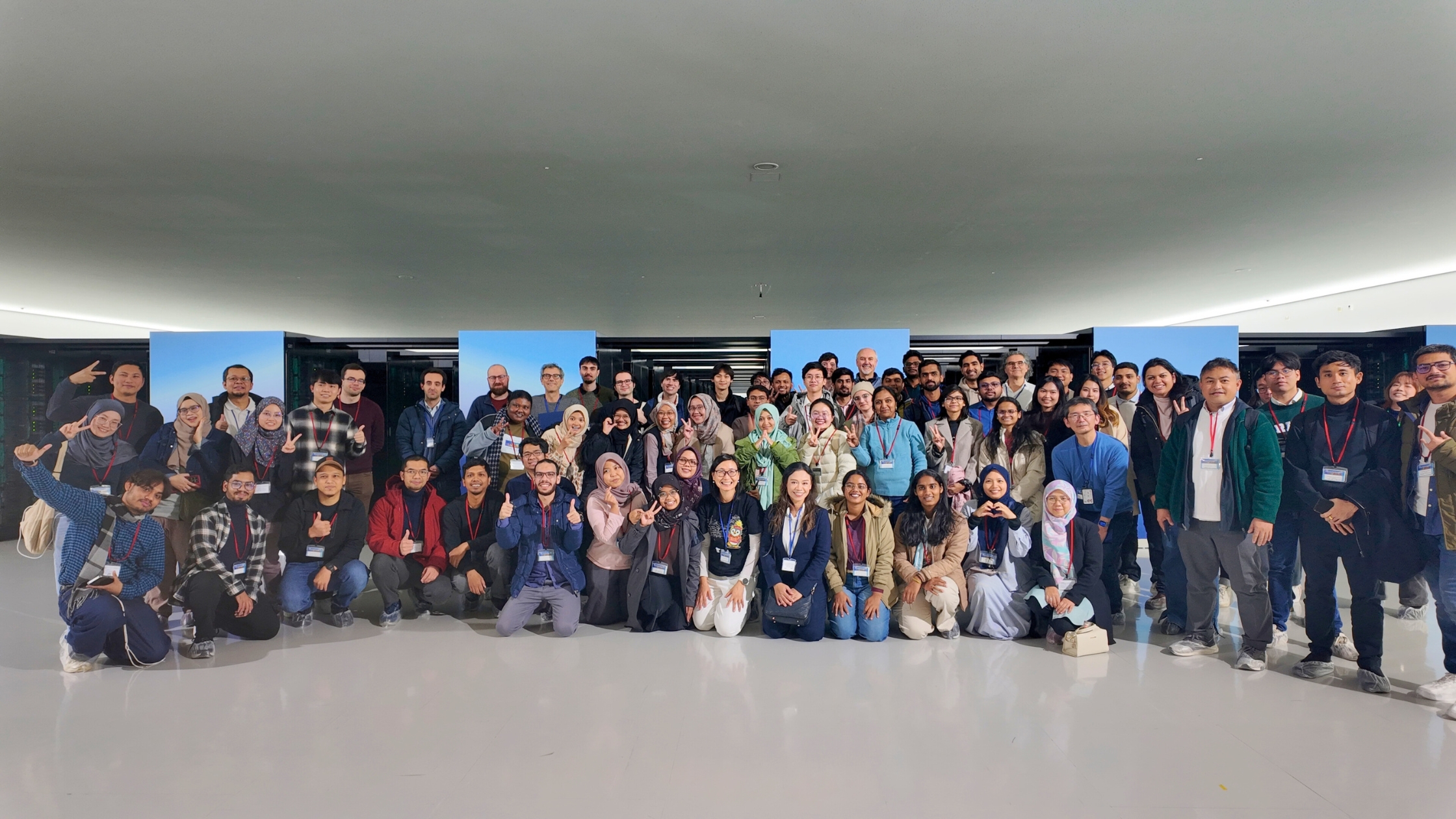
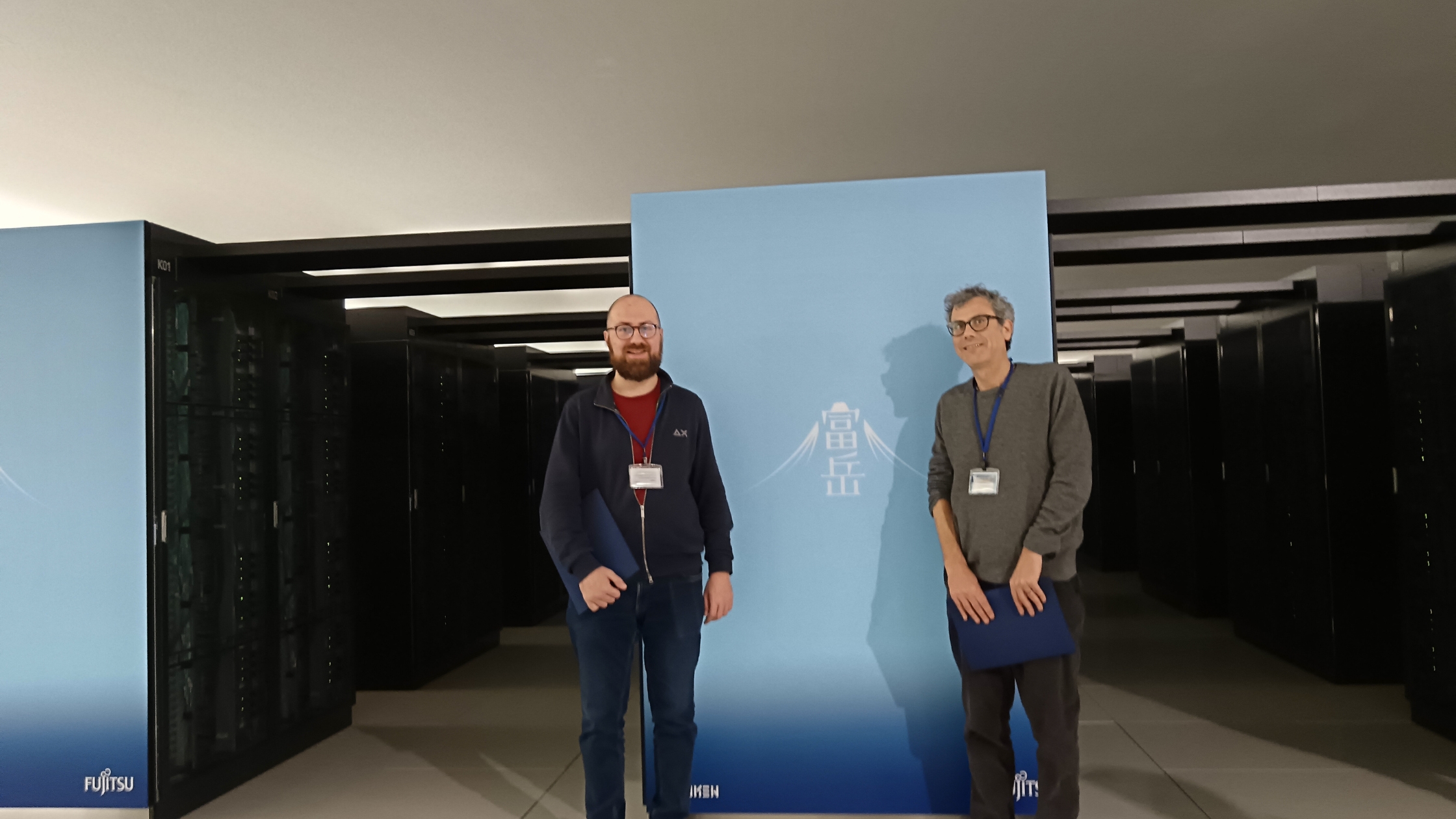
The visit concluded with a visit to Fugaku, the flagship supercomputer developed by RIKEN and one of the world’s most powerful HPC systems, a landmark of the ongoing EU-Japan collaboration.